How to Choose the Perfect Gas Fireplace for Your Living Room
A GTA homeowner's guide to choosing a gas fireplace in 2026: vented vs. ventless, linear vs. traditional, BTU sizing, venting options, and Ontario safety rules.
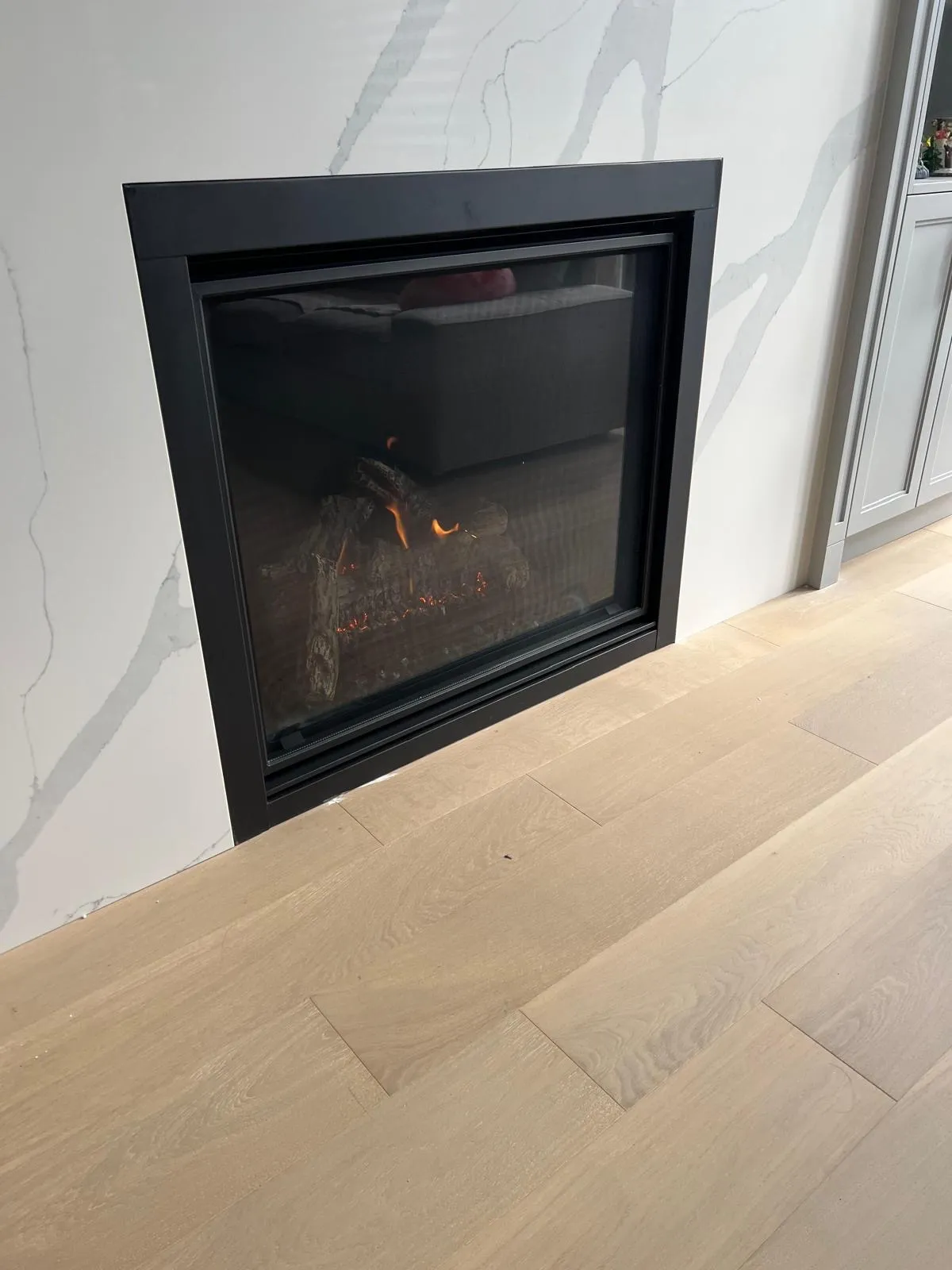
A gas fireplace is one of the few upgrades that pays you back every single evening you use it. It is heat, it is light, it is the focal point of the room — and in a GTA winter, it is the difference between a living room you enjoy in February and one you avoid. But choosing the right one is more involved than picking a finish at the showroom.
The model you choose, where you vent it, and how it is sized all decide whether you end up with a fireplace you love or one that feels like a decoration. This guide walks through the decisions that actually matter, in the order a Toronto-area homeowner usually faces them.
The short version: For most GTA living rooms, a direct-vent gas fireplace is the right answer — it is safe, efficient, and does not require a traditional chimney. Choose between a linear (modern) or traditional style, size the BTU output to the room, and confirm clearances early. See our fireplace services and our breakdown of linear vs. traditional gas fireplaces for the design side.
Vented, direct-vent, or ventless: start here
The single biggest decision is how the fireplace handles combustion air and exhaust. In Ontario, this also decides what is even legal to install in your home.
A B-vent (natural vent) fireplace pulls room air for combustion and exhausts up a vertical flue. It is the closest cousin to a traditional wood fireplace and works only where a vertical chimney run is available. Efficiency is modest because warm room air goes up the flue.
A direct-vent fireplace is sealed behind glass and uses a coaxial pipe — air in, exhaust out — through an exterior wall or the roof. This is the modern default for GTA homes, including condos and townhomes, because it does not require a chimney, keeps indoor air clean, and is far more efficient.
A ventless (vent-free) fireplace burns gas without any exhaust pipe and dumps the combustion by-products into the room. Ventless gas fireplaces are not permitted for installation in Ontario. If a showroom suggests one, walk out.
Carbon monoxide is invisible and odourless. The sealed glass front and dedicated venting on a direct-vent unit are not optional features — they are the safety system. Always pair a new gas fireplace with a working CO alarm on the same floor.
Linear or traditional: design follows the room
Once venting is settled, the design choice is mostly between two looks.
A traditional gas fireplace has a roughly square or arched opening and is built to imitate a wood-burning hearth, often with ceramic logs, a brick-style firebox, and a tall flame. It suits older Toronto homes, transitional rooms, and anywhere you want the fireplace to feel familiar rather than statement-making.
A linear gas fireplace is a long, low rectangle — often three, four, or even six feet wide — with a bed of glass, stones, or driftwood-style logs. It is the look you see in new builds, condos, and contemporary renovations across Mississauga, Vaughan, and downtown Toronto. Linear units are usually wall-mounted or recessed into a feature wall.
Neither is “better.” Linear units tend to cost more for the same heat output because of the wider firebox and longer glass. We dig into the trade-offs — sizing, surround materials, hearth height — in our guide to linear vs. traditional gas fireplaces. You can also browse finished installs in our gallery to see how each style sits in a real room.
Size it to the room, not to the wall
The most common mistake is choosing a fireplace by how it looks on the wall instead of how much heat it puts into the room. Gas fireplaces are rated by BTU input per hour, and the wrong number in either direction is a problem.
Too small and it never warms the space, so you stop using it. Too large and it overheats the room within twenty minutes, the thermostat in the next room never calls for heat, and the rest of the house stays cold.
| Living room size | Rough BTU range | Typical style |
|---|---|---|
| Up to 200 sq ft (small condo / den) | 10,000 – 18,000 BTU | Compact traditional or short linear |
| 200 – 350 sq ft (typical GTA living room) | 18,000 – 30,000 BTU | Traditional or 36” linear |
| 350 – 500 sq ft (open-concept main floor) | 28,000 – 40,000 BTU | 48” – 60” linear |
| 500+ sq ft (great room, high ceilings) | 35,000 – 50,000+ BTU | Wide linear, often with fan kit |
These are ballpark ranges only. Real sizing depends on ceiling height, insulation, window area, whether the floor plan is open or compartmentalised, and how cold a typical January week gets at your address. A good installer measures, asks questions, and recommends — they do not just upsell the biggest unit.
Venting route: the decision that sets the timeline
Before you fall in love with a specific model, walk to the wall where it will live and look at what is behind it.
- Exterior wall, single storey: the easiest install. A horizontal direct vent runs straight through the wall.
- Exterior wall, second storey above: still straightforward, but the vent termination location matters for clearance from windows, soffits, and decks.
- Interior wall: the vent has to travel up and out, which means more pipe, more framing work, and sometimes a chase running up through the second floor.
- Condo or townhome: check the building’s rules and any restrictions on exterior wall penetrations before signing anything.
Ontario code sets minimum clearances from operable windows, doors, gas meters, and walkways. Those numbers decide where the vent can legally terminate — and sometimes they decide which models you can actually use. This is exactly the kind of detail a TSSA-licensed installer handles up front so there are no surprises on installation day.
Efficiency, controls, and the features worth paying for
Once size and venting are decided, the rest is about how the fireplace is used day to day.
- AFUE / steady-state efficiency. Direct-vent fireplaces typically run in the roughly 70–85% steady-state efficiency range. Higher is better, but for a unit used as zone heat, the difference on a monthly gas bill is usually modest.
- Heat output controls. A variable-flame remote or wall control is genuinely worth it. Single-setting “on/off” units overheat small rooms quickly.
- Blower / fan kit. Pushes warm air into the room instead of letting it stack at the ceiling. Most useful in rooms with high or vaulted ceilings.
- Battery-backed ignition (IPI). Lights without a standing pilot, which saves gas year-round and means the fireplace still works during a power outage.
- Glass and media options. Reflective black glass, decorative stones, and driftwood logs change the look dramatically. These are the fun choices — make them last, after the technical ones are settled.
Maintenance: gas fireplaces are low-effort, not no-effort
Gas fireplaces are far cleaner than wood, but they are not maintenance-free. The glass front, burner, pilot assembly, and venting all need periodic attention to stay safe and look right.
Plan on a professional service roughly once a year, ideally before the heating season. A technician will clean the glass and burner, check the pilot and ignition, inspect the venting and gaskets, and verify combustion is clean. Skipping years of service is how you end up with a fireplace that smells off, has a sooty glass front, or trips its safety lockout on the first cold night.
We cover what a proper yearly service includes — and what you can do yourself between visits — in our annual gas fireplace maintenance checklist.
Budget: what a real install costs in the GTA
A gas fireplace is one project where the unit itself is often the smaller part of the bill. Venting, framing, finishing, and the gas line all add up.
As a rough 2026 GTA starting point, a straightforward direct-vent install on an exterior wall — including a mid-range fireplace, vent kit, gas line tie-in, permits, and basic finishing — typically runs roughly $5,500 to $11,000+. High-end linear units with stone surrounds and complex venting routes can run well above that. Treat any number quoted without a site visit as a guess.
The honest cost drivers are: how far the gas line has to be extended, whether the venting goes through a wall or up through floors, the style and width of the unit, and the finishing materials around the surround.
When to call Delson Air
A gas fireplace is a long-term piece of your home — it deserves to be sized, vented, and installed by people who do this every week. Delson Air designs and installs gas fireplaces across the Greater Toronto Area, including Toronto, Mississauga, Markham, Vaughan, Brampton, Richmond Hill, and Oakville.
We are licensed, insured, TSSA-licensed (Ontario’s gas-work regulator) and an Enbridge Authorized Contractor, so the permits, venting, and safety side are handled properly from day one. Browse our fireplace services, see finished installs in our gallery, call (647) 467-9919, or get in touch for a straight-talking assessment of the right fireplace for your living room.
Your Comfort, Our Priority.
FAQ
Common questions
Do I need a chimney to install a gas fireplace?
How many BTUs do I need for a typical GTA living room?
Is a gas fireplace expensive to run in Ontario?
Does a gas fireplace install require a permit in Ontario?
Delson Air Team
Licensed, insured, TSSA-certified HVAC technicians serving the Greater Toronto Area.
Keep reading
More from the Journal
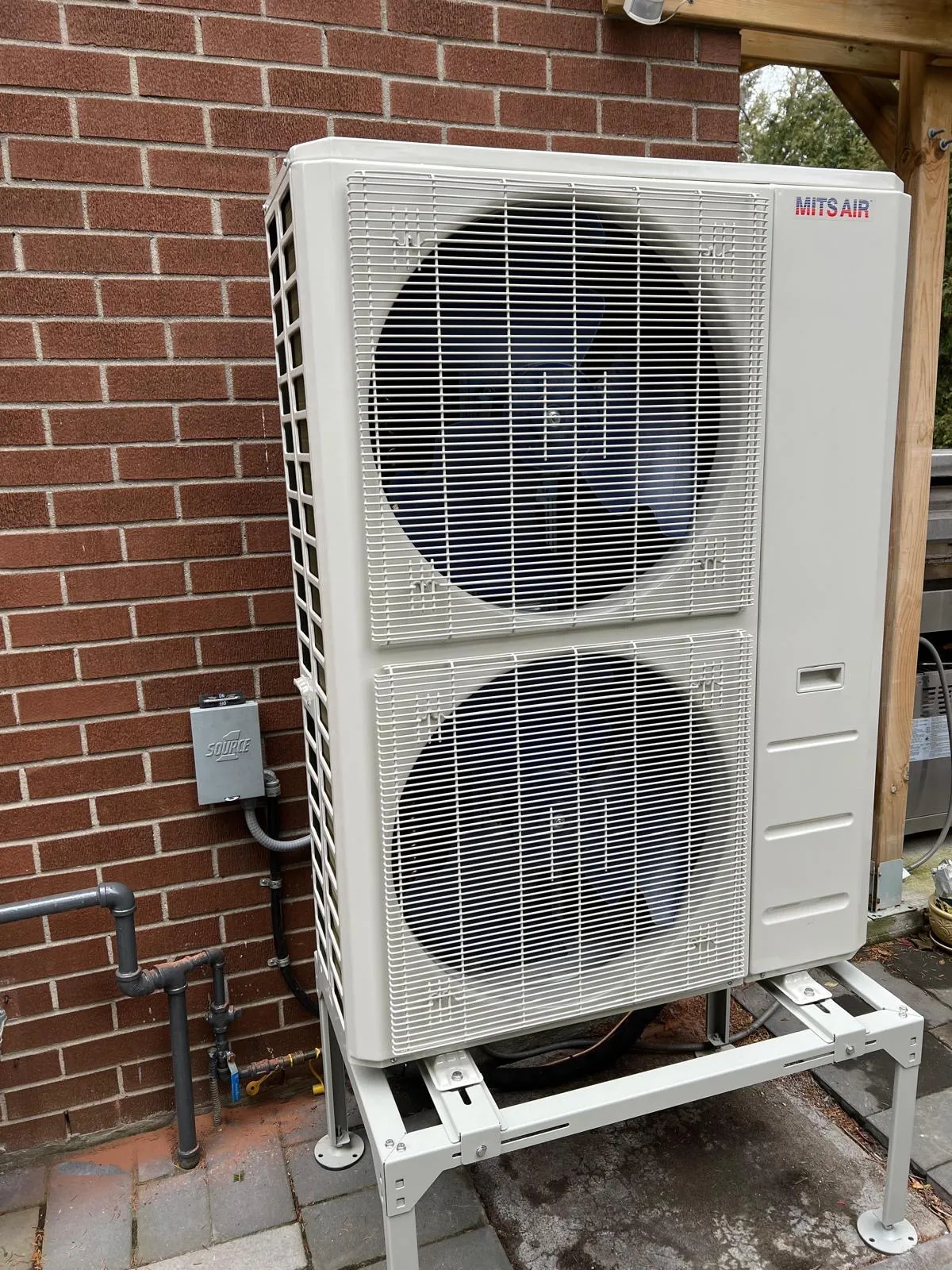
Heat Pump vs Furnace + AC: True 10-Year Cost of Ownership
Heat pump vs furnace + AC 10-year cost of ownership for GTA and Ontario homes: install, operating, maintenance, rebates, and lifetime totals compared in 2026.
Programmable vs Smart Thermostats: 2026 Buyer's Guide
A 2026 buyer's guide comparing programmable and smart thermostats for GTA and Toronto homes — features, savings, compatibility, and which suits your Ontario HVAC system.
Tankless Water Heaters: Real GTA Costs in 2026
What does a tankless water heater really cost in Toronto and the GTA in 2026? Honest install ranges, tank vs tankless math, and what drives the bill.