Tankless Water Heaters: Real GTA Costs in 2026
What does a tankless water heater really cost in Toronto and the GTA in 2026? Honest install ranges, tank vs tankless math, and what drives the bill.
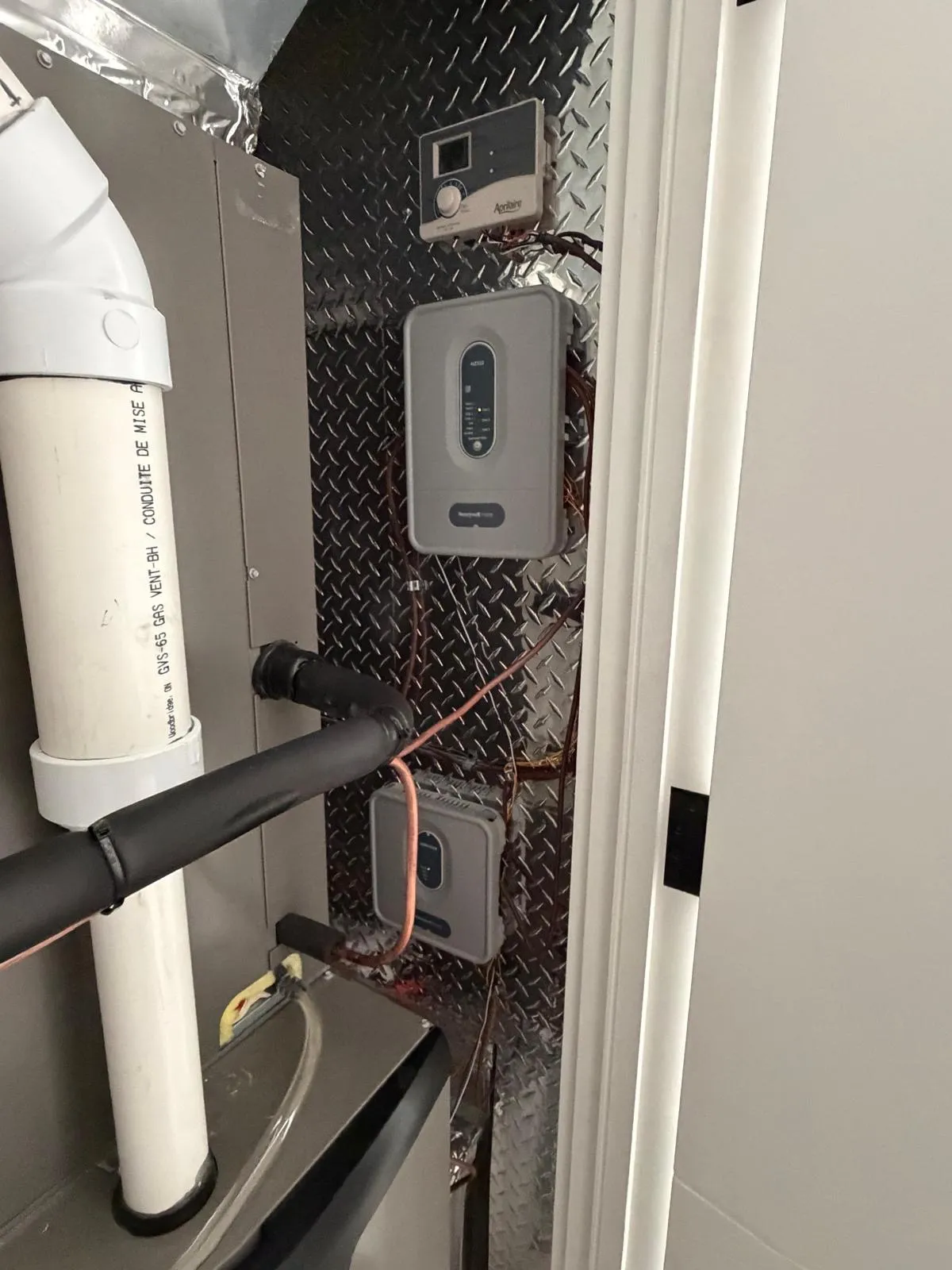
Tankless water heaters keep climbing the list of upgrades GTA homeowners ask about, and the pitch is appealing: endless hot showers, smaller footprint, longer lifespan, lower energy bills. The price tag, though, is where things get blurry. Quotes online swing from “$2,500” to “$10,000” and most of them are not comparing the same install.
Here is what a tankless water heater actually costs to install in Toronto and the surrounding GTA in 2026, how the numbers stack up against a conventional tank, and the details that decide whether tankless is the right call for your home.
The short version: A condensing gas tankless water heater for a typical GTA home runs roughly $4,500–$7,500 installed as of 2026, versus $1,800–$3,200 for a like-for-like tank replacement. Tankless wins on lifespan, energy use, and endless hot water. Tanks win on upfront cost and simplicity. See current Ontario rebates and our water heater services for what fits your home.
The 2026 price range, in plain numbers
There is no single “tankless water heater price” because the install is half the cost. The unit on a shelf might be $1,800. By the time it is properly vented, gas-piped, condensate-drained, and commissioned in your basement, you are looking at a very different number.
Here is what we see on real GTA installs as of 2026.
| Configuration | Typical installed cost (2026, before rebates) | Best fit |
|---|---|---|
| Condensing gas tankless, mid-tier brand | $4,500 – $6,000 | Most 2–4 bedroom GTA homes |
| Condensing gas tankless, premium brand + recirculation | $6,000 – $7,500 | Larger homes, multiple bathrooms, instant hot water |
| Non-condensing gas tankless | $3,800 – $5,200 | Tight budgets, simple venting paths |
| Tank-to-tankless conversion with gas line upsize | $5,500 – $8,000 | Older homes with undersized fuel supply |
| Conventional gas tank replacement (for comparison) | $1,800 – $3,200 | Lower upfront cost, simpler swap |
Those ranges are all-in: equipment, labour, permits, venting materials, gas connection, condensate handling, removal of the old tank, and commissioning. They are not the cheapest possible numbers from an online unit-only price — they reflect what a code-compliant install actually costs in the GTA.
Tank vs tankless: how the math really works
The upfront gap is real. A like-for-like tank replacement is often half the price of a tankless install. The argument for tankless is what happens after year one.
| Factor | Conventional tank | Condensing tankless |
|---|---|---|
| Typical install cost (2026) | $1,800 – $3,200 | $4,500 – $7,500 |
| Expected lifespan | 10 – 12 years | 18 – 20 years |
| Energy factor (relative) | Lower; standby losses | Higher; on-demand only |
| Hot water capacity | Limited by tank size | Continuous, flow-rate limited |
| Footprint | Full closet or corner | Wall-mounted, compact |
| Maintenance | Annual flush optional | Annual descale recommended |
Over a 20-year horizon, a homeowner replacing a tank twice and paying for standby gas losses often spends close to — sometimes more than — a single tankless install would have cost. The catch is you have to live in the home long enough to capture that payback. For a forever home, tankless usually wins. For a property you plan to sell in five years, a tank is the safer financial bet.
What pushes the tankless price up
A handful of factors do most of the work in moving you from the low end of the range to the high end.
- Gas line sizing. Tankless units fire at 150,000 to 199,000 BTU under load. If your existing line is 1/2-inch, it usually needs to be upsized to 3/4-inch or larger.
- Venting path. Condensing units use PVC venting, but it still has to reach an exterior wall with proper clearances. Long, complex runs add labour and material.
- Condensate drain. Condensing units produce acidic condensate that needs a code-compliant drain or pump and neutraliser.
- Recirculation pump. If you want hot water at the tap quickly, a dedicated recirculation loop adds equipment and time.
- Electrical. A nearby outlet on the right circuit is usually required for the unit’s controls and ignition.
- Old tank removal. Hauling and disposing of the old tank is part of any honest quote.
What keeps the price down
There are legitimate ways a tankless install lands at the lower end of the range without cutting corners.
- Existing 3/4-inch gas line sized correctly for the original installer.
- Short venting run to an exterior wall already close to the install location.
- Nearby floor drain for condensate, avoiding a pump.
- Mid-tier brand with solid warranty rather than top-of-line premium.
- Single-bathroom or two-bathroom home where a smaller-capacity unit is appropriate.
A tankless quote that comes in dramatically below the ranges above is usually missing something — gas upsizing, proper venting, permits, or commissioning. The unit may also be undersized for a Canadian winter inlet temperature. Always ask exactly what is included and what the BTU input is.
Sizing matters more than brand
The single biggest install mistake we see is undersizing. In southern Ontario, the cold-water inlet temperature in February can be near freezing. To deliver a 49 C shower from 4 C water, the unit has to raise the temperature by 45 C — much harder than the lab-condition specs printed on the box.
For a typical GTA home, here is rough sizing guidance:
- One bathroom, low simultaneous use — a 150,000 BTU unit is usually fine.
- Two to three bathrooms — plan on a 180,000 to 199,000 BTU unit.
- Four or more bathrooms or simultaneous heavy use — a single tankless may not be enough; we sometimes install two units in parallel.
A right-sized unit from a mid-tier brand will outperform an undersized premium unit every time. Sizing is a load calculation, not a guess.
How rebates and maintenance fit in
Rebate programs for high-efficiency water heating shift throughout the year. As of 2026, certain ENERGY STAR condensing tankless models qualify for incentives in Ontario, often as part of a broader home retrofit package. We keep our Ontario HVAC rebates guide current — it is worth a read before you commit.
Tankless units also need annual descaling, especially in GTA neighbourhoods with harder water. Skip it and efficiency drops, error codes appear, and the heat exchanger eventually fails. A simple maintenance plan keeps the unit running at spec for its full lifespan — see our HVAC maintenance plans guide for what an annual visit should actually include.
If you have a hydronic heating system, the same logic about sizing and venting applies to your boiler — and many modern combi units handle both space heating and domestic hot water from a single appliance.
Getting a real quote, not a guess
A proper tankless quote is not a number a salesperson offers over the phone. It comes from a site visit that confirms gas line size, venting path, condensate handling, electrical, and your actual hot water demand.
When we visit a GTA home for a tankless assessment, we check:
- Gas meter capacity and existing pipe sizing
- Venting route, clearances, and termination location
- Condensate drainage options
- Electrical outlet and circuit availability
- Number of fixtures and simultaneous use patterns
- Whether a tank replacement might genuinely serve you better
You get a written quote that lists the equipment, the work, the permits, and any rebate paperwork we will submit on your behalf. No vague line items.
When to call Delson Air
If you are weighing tankless versus tank in Toronto, Mississauga, Markham, Vaughan, Brampton, Richmond Hill, Oakville, or anywhere across the GTA, Delson Air can give you the real numbers for your home — not a generic price range. We are licensed, insured, TSSA-licensed, and an Enbridge Authorized Contractor, so the gas-side work, venting, and rebate paperwork are handled in-house and done right the first time.
Call us at (647) 467-9919, email info@delsonair.ca, or book a no-pressure assessment through our contact page. See all of our services for everything we cover across the GTA — your comfort is our priority.
FAQ
Common questions
What does a tankless water heater cost to install in the GTA in 2026?
Is a tankless water heater actually cheaper than a tank long-term?
How long does a tankless water heater installation take?
Do I need to upsize my gas line for a tankless water heater?
Delson Air Team
Licensed, insured, TSSA-certified HVAC technicians serving the Greater Toronto Area.
Keep reading
More from the Journal
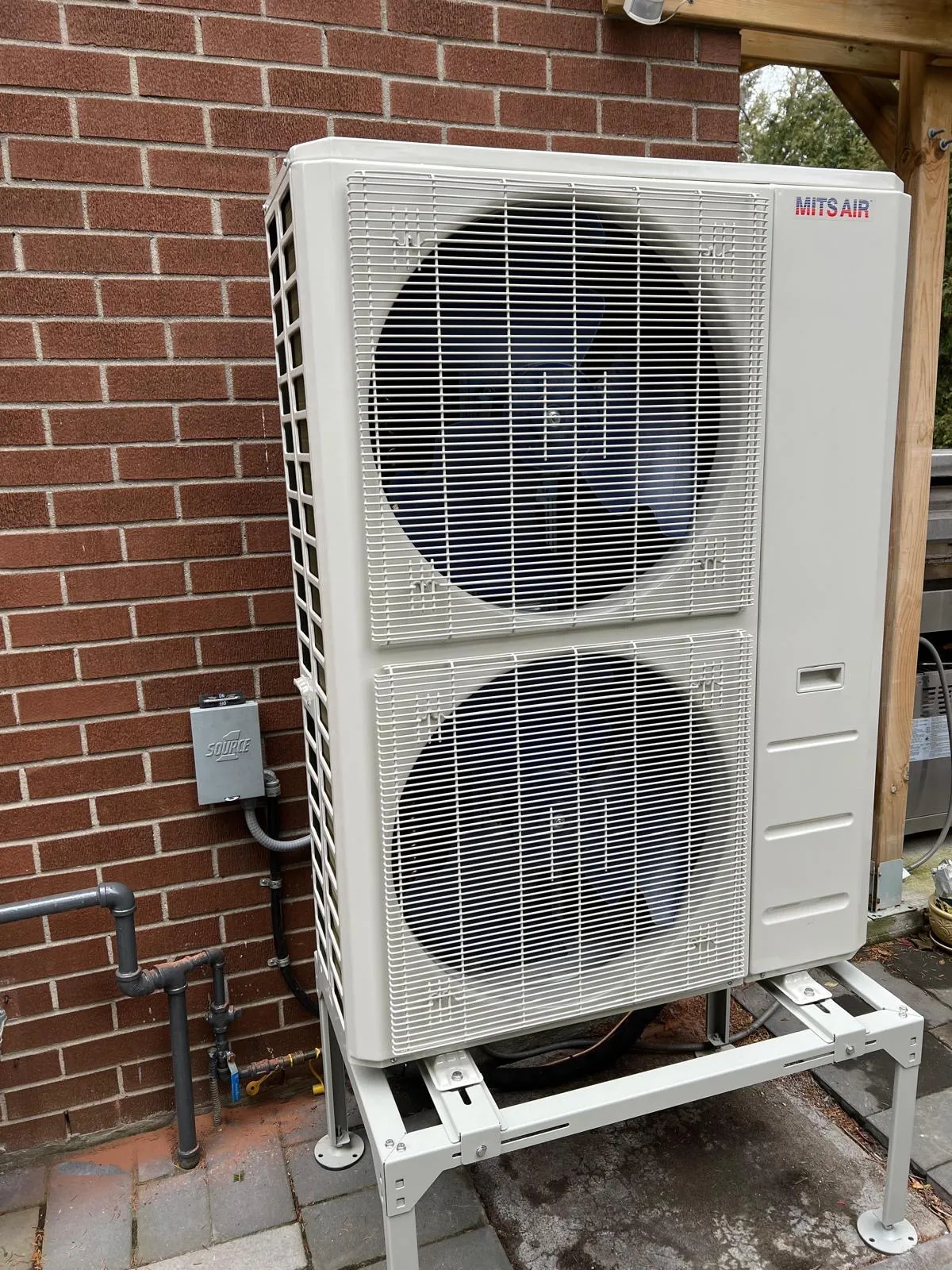
Heat Pump vs Furnace + AC: True 10-Year Cost of Ownership
Heat pump vs furnace + AC 10-year cost of ownership for GTA and Ontario homes: install, operating, maintenance, rebates, and lifetime totals compared in 2026.
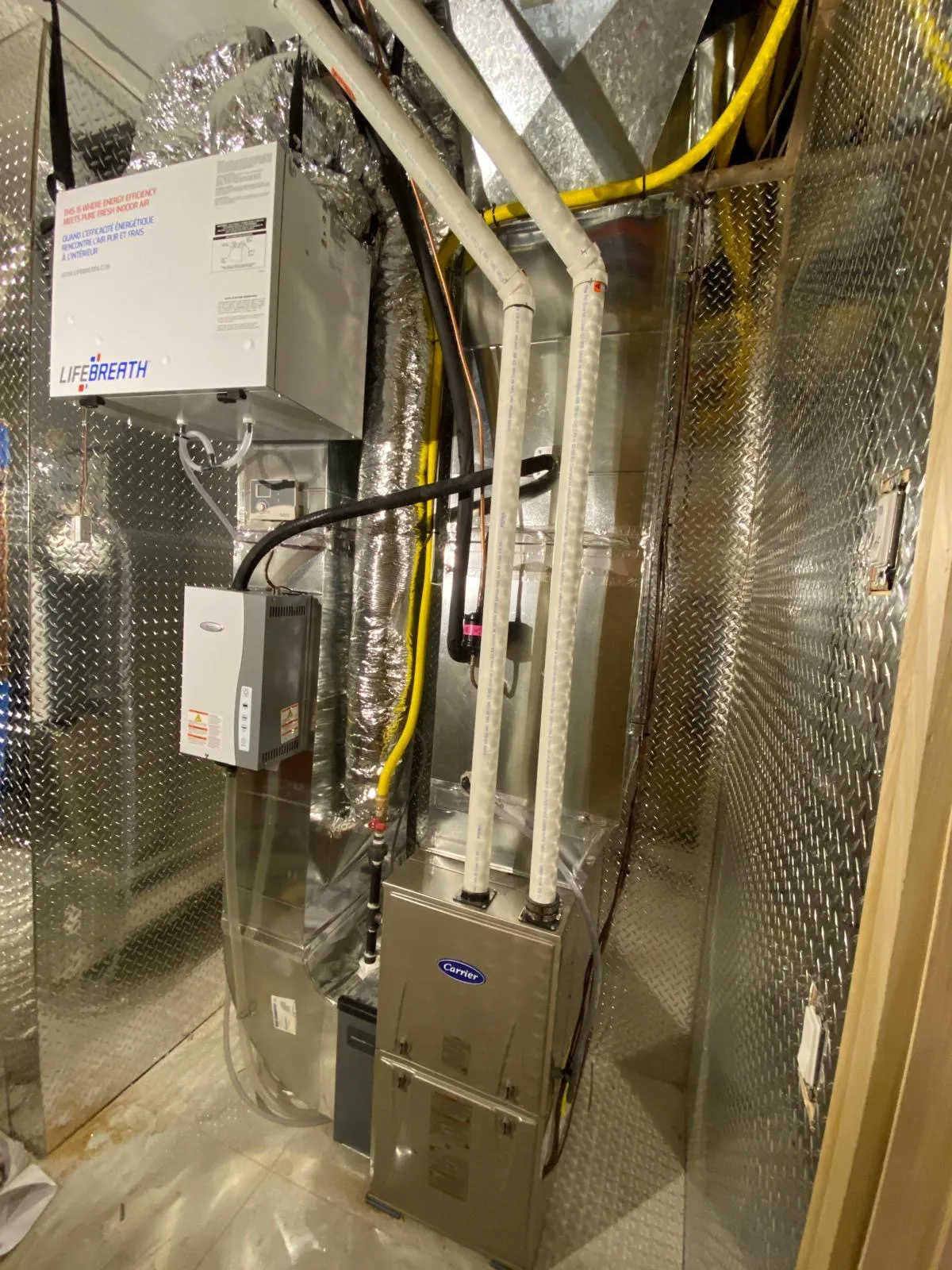
Programmable vs Smart Thermostats: 2026 Buyer's Guide
A 2026 buyer's guide comparing programmable and smart thermostats for GTA and Toronto homes — features, savings, compatibility, and which suits your Ontario HVAC system.
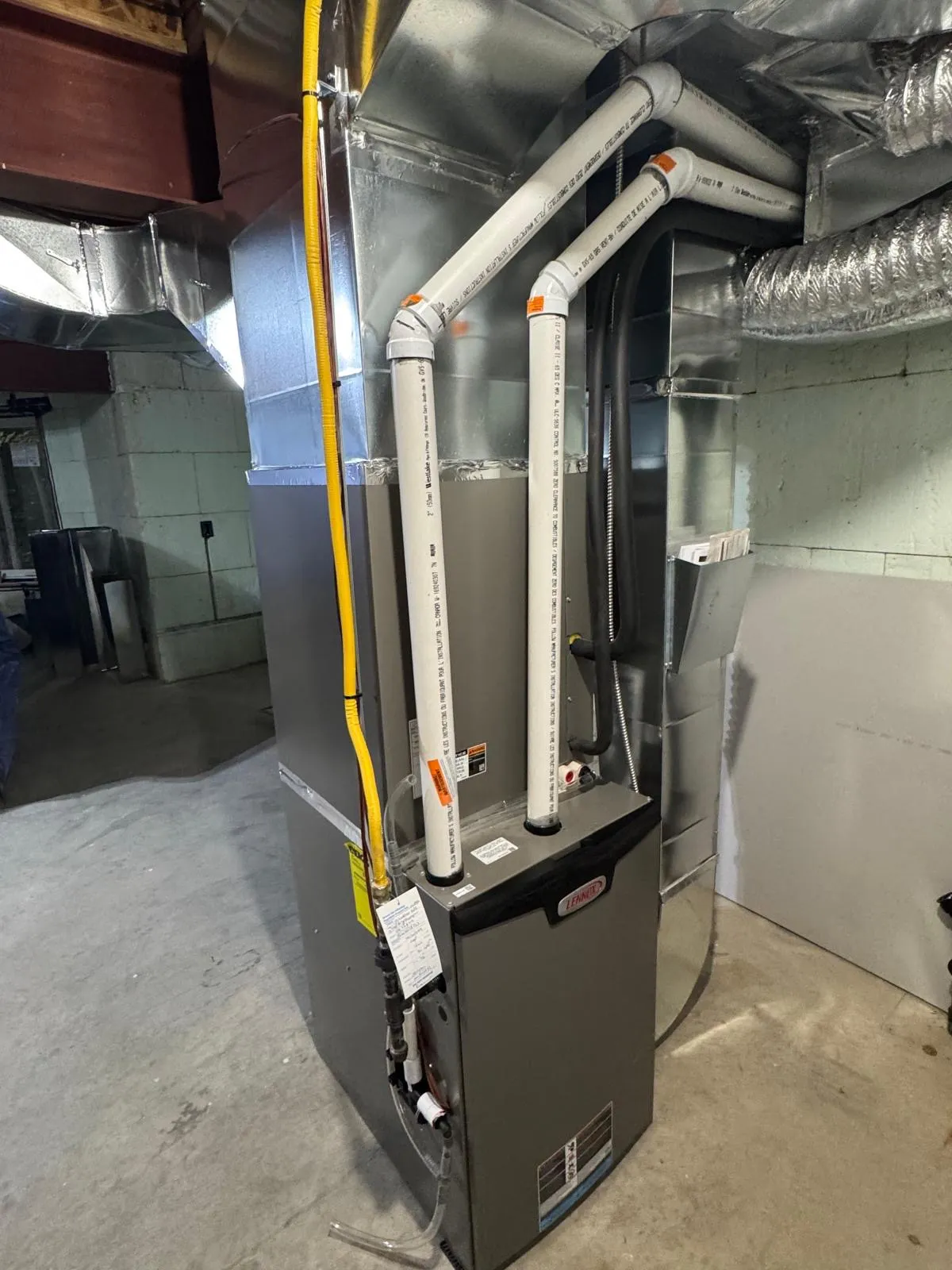
AFUE Explained: Understanding Furnace Efficiency Ratings
AFUE explained for GTA homeowners: what furnace efficiency ratings mean, how 80% mid-efficiency compares to 96% high-efficiency, and what to pick in Ontario in 2026.