

When to Repair vs Replace Your AC: A GTA Homeowner's Guide for 2026
Repair or replace your air conditioner? A clear 2026 guide for Toronto and GTA homeowners covering age, cost, refrigerant rules, efficiency and resale.
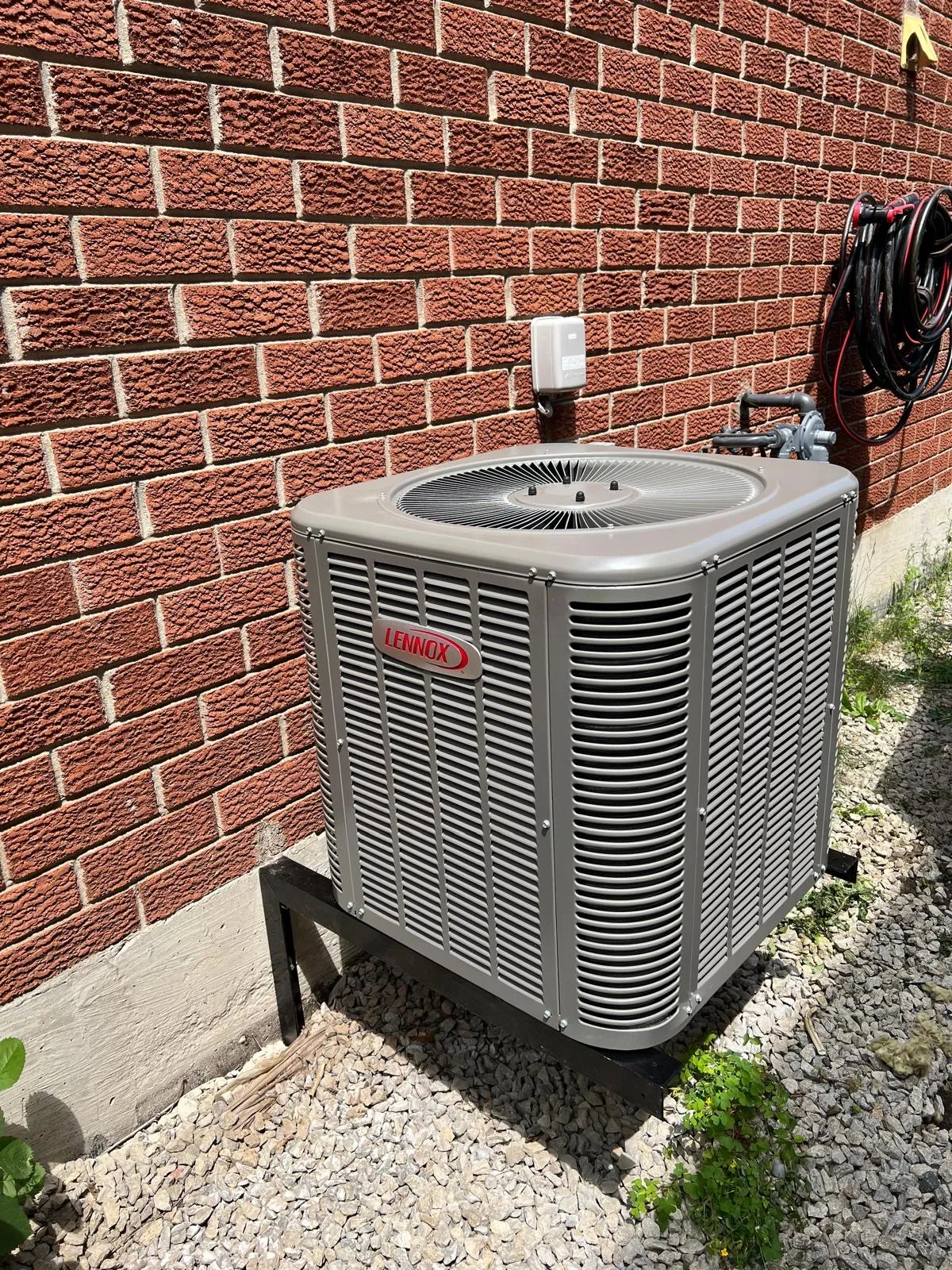
There comes a summer afternoon in every GTA homeowner’s life when the air conditioner just doesn’t sound right. Maybe it’s a new rattle, maybe the house never quite hits the set temperature, or maybe the unit outside is silent when it should be running. The technician’s diagnosis arrives with a quote — and the real question begins. Is it worth fixing, or is it finally time to replace?
There’s no single right answer, but there is a clear framework. Age, repair cost, refrigerant type, efficiency, and how much longer you plan to stay in the home all feed the decision. This guide walks through each factor the way we’d talk it through on a service call.
The short version: Repair if your AC is under 10 years old, the fix is modest, and it still uses modern refrigerant. Lean toward replacement if it’s 12-plus years old, the repair is over half the cost of a new system, or it runs on phased-out R-22. A right-sized new system saves on hydro and is more reliable through GTA heat waves. Not sure where you land? Reach out for an honest assessment.
Start with the age of the unit
Age is the single biggest factor. A central air conditioner installed in the GTA typically lasts 12 to 18 years with proper care — shorter if maintenance was skipped, a little longer if it was babied.
A useful way to think about it:
- Under 8 years: almost always worth repairing. The equipment has plenty of life left.
- 8 to 12 years: repair is usually still smart, but it’s time to start saving for replacement.
- 12 to 15 years: the decision tips toward the cost and severity of the repair.
- 15-plus years: even a working unit is on borrowed time. Replacement is usually the better long-term play.
If you don’t know the age, check the data plate on the outdoor condenser. The serial number’s first four digits often encode the year and week of manufacture.
Run the numbers — the 50% and “$5,000” rules
Two simple rules of thumb cut through most of the noise.
The 50% rule: if a repair costs more than half the price of a comparable new system, replace it. Patching a $4,000 problem on a unit that’s near end of life rarely pays off.
The $5,000 rule: multiply the age of the unit by the repair quote. If the number is over 5,000, replace. Under, repair.
| Age of unit | Repair quote | Age x Quote | Suggested call |
|---|---|---|---|
| 6 years | $450 | 2,700 | Repair |
| 10 years | $600 | 6,000 | Lean replace |
| 12 years | $900 | 10,800 | Replace |
| 15 years | $1,500 | 22,500 | Replace |
Neither rule is gospel — your specific situation matters — but they’re a good gut check before you sign off on a big repair.
The refrigerant question (and why R-22 changes everything)
This is the factor most homeowners don’t know to ask about. If your air conditioner was installed before about 2010, there’s a strong chance it uses R-22 refrigerant, which has been phased out across Canada. The supply that remains is recycled or reclaimed, and prices have climbed sharply.
A leak in an R-22 system used to be a minor repair. Today, a recharge can run into four figures — and if the leak is anywhere in the coil, you’re paying again next summer. At that point you’re spending real money to keep an obsolete system limping along.
Modern systems use R-410A (still common in installed equipment) or the newer low-GWP refrigerants like R-454B and R-32 that have rolled out in 2025 and 2026. These are the refrigerants the industry will be servicing for years to come.
If a technician tells you the refrigerant in your unit is R-22, treat that as a strong signal toward replacement, not repair — especially if there’s any leak involved.
Efficiency: what 12 years of progress looks like
A central AC from 2010 might be rated SEER 10 to 13. New equipment installed in Ontario today starts at SEER2 14 and climbs into the low-to-mid 20s on high-end variable-speed systems.
That gap matters more than it sounds. A jump from SEER 10 to SEER2 16 can cut cooling energy use meaningfully across a Toronto summer. The exact savings depend on your home, your thermostat habits, and Ontario hydro rates — but for an older, oversized unit running constantly in July humidity, the math is often friendlier than people expect.
If you’ve also been thinking about year-round comfort, this is the moment to consider a heat pump instead of a straight AC swap. A cold-climate heat pump cools in summer and replaces a big chunk of your winter heating load, and it can qualify for federal and provincial incentives that a plain AC does not.
Symptoms that point to repair vs replace
Some failures are cheap; others are existential. Here’s how the common ones tend to break down on a typical GTA service call.
Usually worth repairing:
- A bad capacitor or contactor (small electrical parts, fast fix).
- A failed fan motor on a younger unit.
- A clogged condensate drain or stuck float switch.
- A faulty thermostat or low-voltage wiring issue.
- A frozen coil from a dirty filter (often just maintenance — see our summer AC checklist).
Lean toward replacement:
- A compressor failure on a unit over 10 years old.
- A leaking evaporator or condenser coil on an aging R-22 system.
- Repeated repairs in the same season.
- Rust, corrosion, or visible damage to the cabinet from years of GTA winters and road salt.
How long are you staying in the home?
This is the question we ask before we quote. If you’re planning to sell in the next year or two, a modest repair that gets you through the season often makes sense — the next owner will likely want their own choice of system anyway.
If you’re staying five-plus years, the calculus flips. Spending $1,200 on a 13-year-old unit you’ll replace in 2028 anyway is money you won’t see again. Putting that toward a new, efficient air conditioning system pays back in lower bills and far fewer service calls.
Don’t forget sizing when you replace
If you do go the replacement route, resist the temptation to “just match” the old unit. Homes change — new windows, added insulation, finished basements, renovations — and the old system may have been oversized to begin with.
An oversized AC short-cycles, fails to remove humidity, and wears out early. A proper Manual J load calculation on the home you have today is the only way to be sure of the right size. We walk through this in detail in our AC sizing guide, and it’s a non-negotiable part of any replacement we install.
When to call Delson Air
If your AC is on the line between repair and replace, get a second opinion before you commit. Delson Air is a licensed, insured, TSSA-licensed and Enbridge Authorized contractor serving Toronto and the wider GTA — Mississauga, Markham, Vaughan, Brampton, Richmond Hill, Oakville and surrounding areas. We’ll give you a straight read on the unit you have, what a credible repair looks like, and what a properly sized replacement would actually cost and save you. Call us at (647) 467-9919 or book a visit and we’ll help you make the call that’s right for your home — not for our schedule.
FAQ
Common questions
How long does a central air conditioner last in the GTA?
Is it worth repairing an AC that uses R-22 refrigerant?
What is the 5,000 rule for AC replacement?
Will a new air conditioner really lower my Ontario hydro bill?
Delson Air Team
Licensed, insured, TSSA-certified HVAC technicians serving the Greater Toronto Area.
Keep reading
More from the Journal
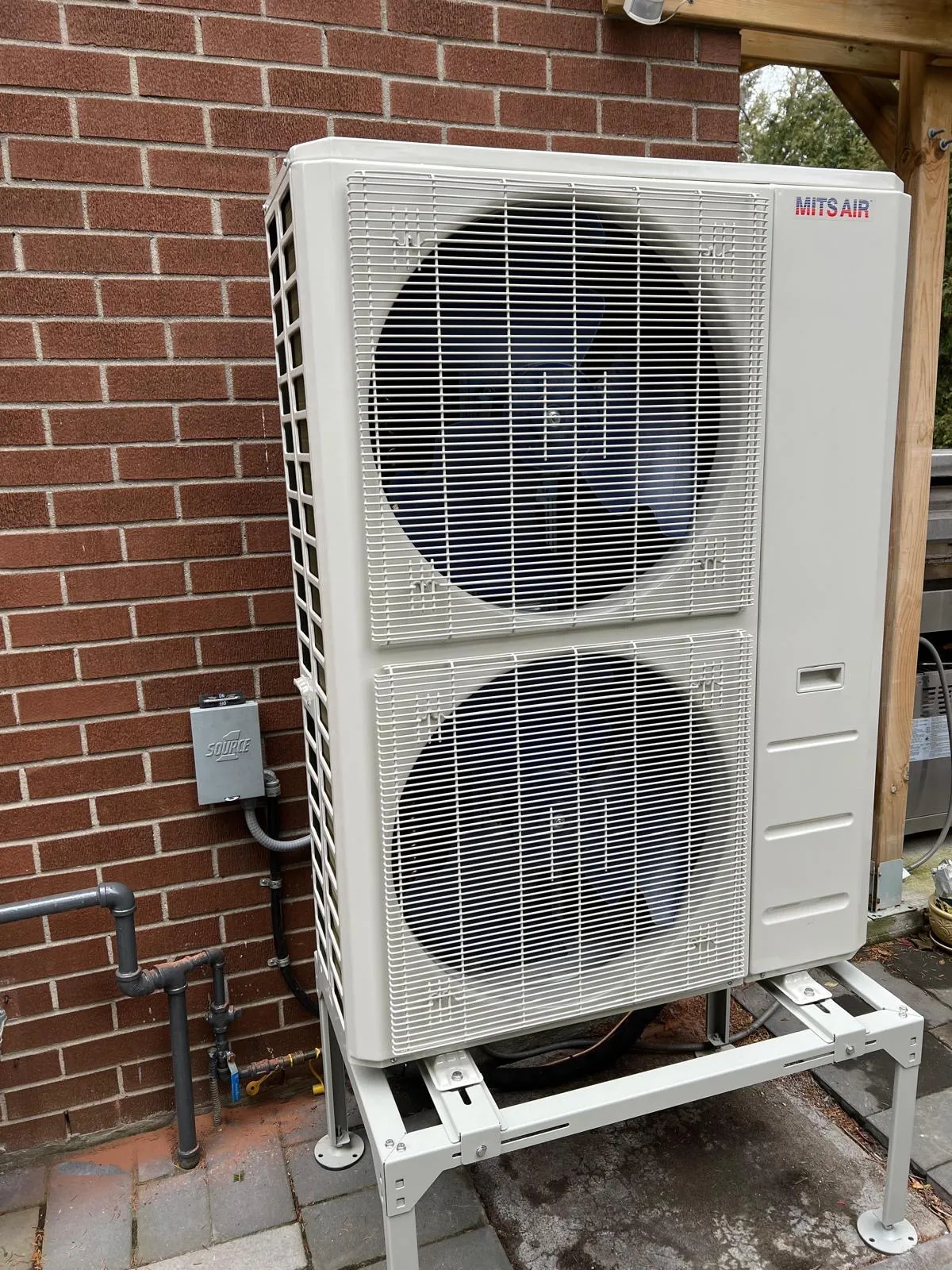
Heat Pump vs Furnace + AC: True 10-Year Cost of Ownership
Heat pump vs furnace + AC 10-year cost of ownership for GTA and Ontario homes: install, operating, maintenance, rebates, and lifetime totals compared in 2026.
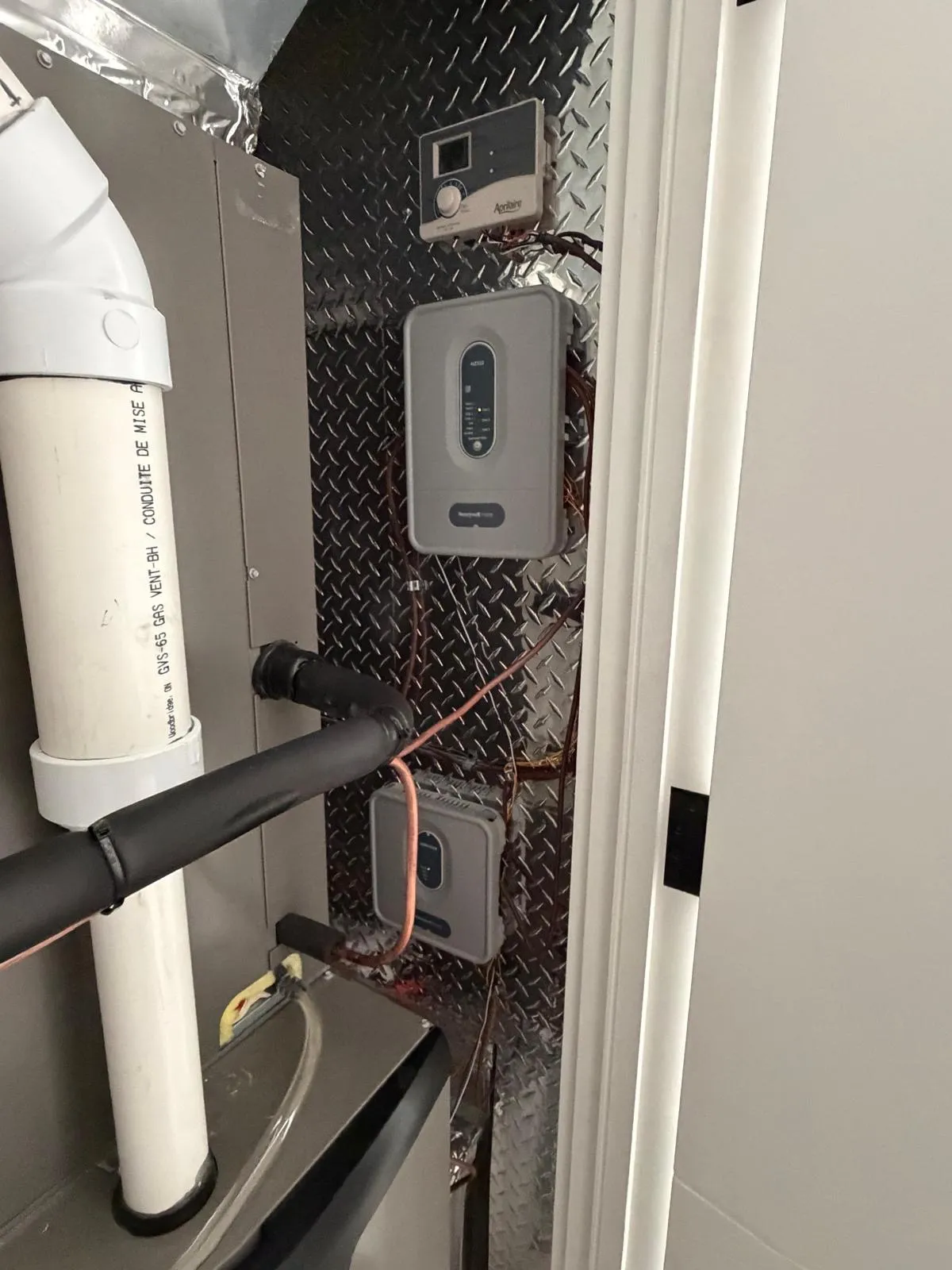
Programmable vs Smart Thermostats: 2026 Buyer's Guide
A 2026 buyer's guide comparing programmable and smart thermostats for GTA and Toronto homes — features, savings, compatibility, and which suits your Ontario HVAC system.
Tankless Water Heaters: Real GTA Costs in 2026
What does a tankless water heater really cost in Toronto and the GTA in 2026? Honest install ranges, tank vs tankless math, and what drives the bill.