

Mid-Summer AC Problems and What They Mean
Mid-summer AC problems in the GTA decoded — what warm air, ice, odd noises and short cycling really mean for Toronto and Ontario homeowners.
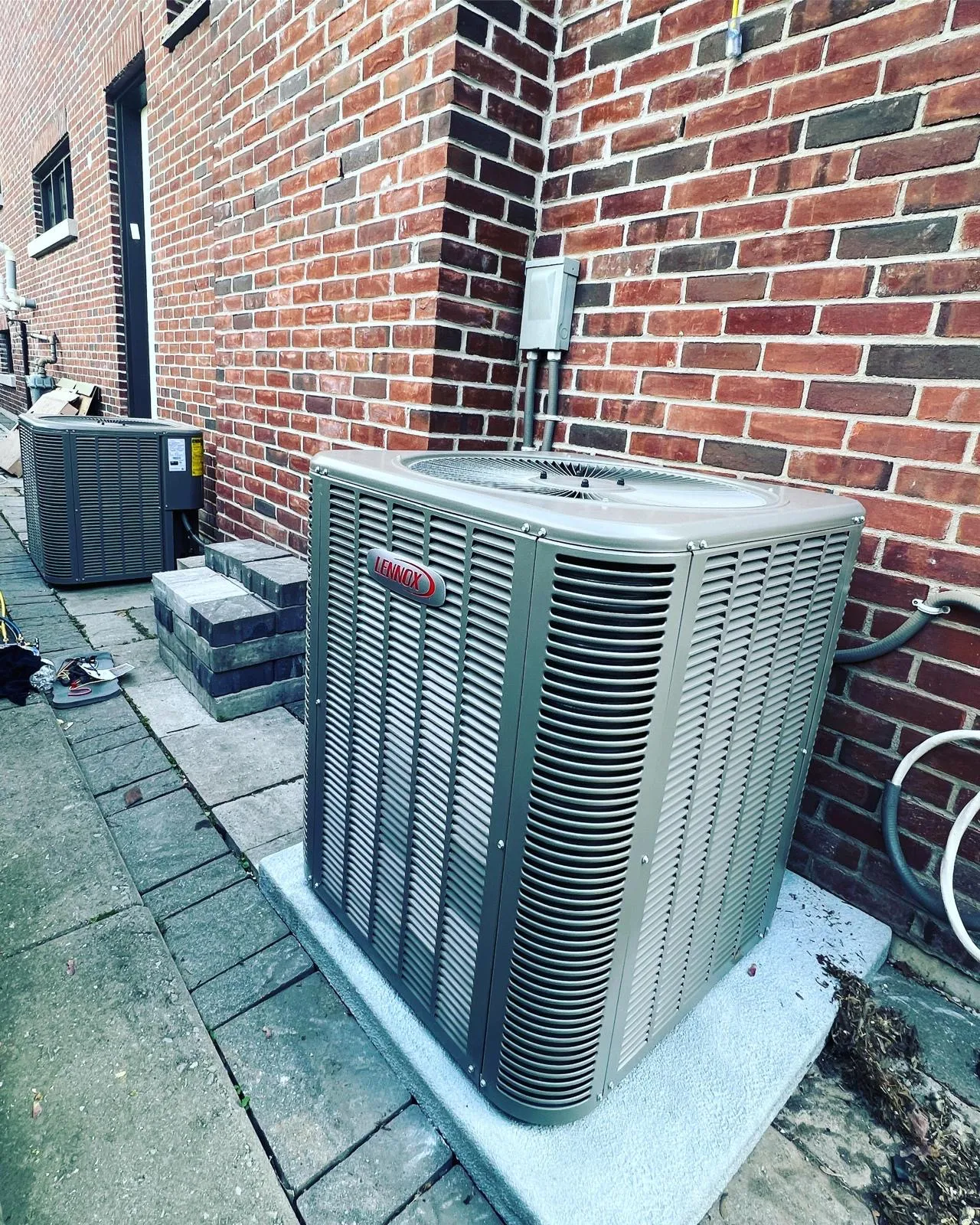
By late July, your air conditioner has been running hard for weeks. The outdoor unit has cycled through humid mornings, 30-degree afternoons, and the occasional thunderstorm. That’s exactly when small issues that were invisible in May start to show up — and exactly when the GTA’s HVAC phone lines get busy.
The good news is that most mid-summer AC complaints fall into a handful of patterns, and the symptom usually tells you what’s wrong. Here’s how to read what your system is trying to tell you, what’s safe to check yourself, and when it’s time to put down the screwdriver and call a licensed technician.
The short version: Mid-summer AC trouble almost always shows up as warm air, short cycling, ice on the lines, strange noises, or odd smells. Filters and outdoor debris are the quick DIY wins; refrigerant, electrical, and compressor issues need a pro. If you skipped a spring tune-up, our AC maintenance checklist is worth a read — and if the symptoms are serious, book a service visit before the heat wave peaks.
Why mid-summer is when problems surface
An air conditioner running through a GTA July is under real load. Daytime highs sit in the high 20s to low 30s, humidity pushes the indoor coil harder, and the system rarely gets a long break overnight. Small weaknesses — a marginal capacitor, a slow refrigerant leak, a partly blocked condenser — all get amplified.
Add the fact that most homeowners only really notice their AC when it stops working, and you get the classic mid-summer call: “It was fine yesterday.” Usually it wasn’t quite fine yesterday either — there were signs, just quieter ones.
Warm or weak air from the vents
This is the most common mid-summer complaint, and it has a wide range of causes. Work through them in order from cheapest to most involved.
- Thermostat set wrong. Confirm it’s on Cool, not just Fan, and the set point is below room temperature.
- Clogged filter. A dirty filter chokes airflow and can freeze the indoor coil — which then blows warm or no air until it thaws.
- Dirty outdoor condenser. Cottonwood fluff, grass clippings, and dust can mat the fins and trap heat at the unit.
- Tripped breaker or disconnect. Check both the main panel and the small disconnect box beside the outdoor unit.
- Low refrigerant. A slow leak from last season often only shows up under heavy load.
- Failed capacitor or contactor. The outdoor fan or compressor may not be starting at all.
If the filter is clean, the outdoor unit is clear and humming, and the breaker is on but you’re still getting warm air, you’ve reached the line where a licensed technician needs to take over. Refrigerant and high-voltage components aren’t safe DIY territory.
Ice on the line or indoor coil
If you see frost or ice on the copper refrigerant line or the indoor coil itself, shut the system off and let it thaw fully before running it again — usually a few hours with the fan on On to help.
Ice almost always means one of two things:
- Restricted airflow — a dirty filter, a blocked return, or a failing blower motor.
- Low refrigerant — a slow leak dropping the charge below spec.
Running an AC with a frozen coil can damage the compressor, and the compressor is the single most expensive component in the system. It’s the one symptom where ignoring the warning costs you the most.
Short cycling: on, off, on, off
A healthy AC runs in steady cycles. Short cycling — turning on, running for a minute or two, shutting off, then restarting shortly after — is a sign something is interrupting normal operation.
Common causes include:
- An oversized AC that cools the air too quickly without removing humidity (often shows up in homes where the previous owner upsized).
- A dirty or low refrigerant charge tripping safety controls.
- A failing thermostat or one placed near a supply vent or sunlit wall.
- An electrical fault in the contactor or control board.
Short cycling is hard on every part of the system, especially the compressor. If the basics look fine, get it diagnosed before the next heat wave. If you’re already wondering whether to keep repairing or replace the unit, our future guide on when to repair vs replace an AC walks through how to decide.
Strange noises and what they usually mean
Modern air conditioners are quiet by design. New sounds are almost always a clue.
| Sound | Likely cause | Urgency |
|---|---|---|
| Buzzing at the outdoor unit | Failing capacitor or contactor | High — shut off and call |
| Grinding or screeching | Fan or blower motor bearing | High — shut off and call |
| Clicking on startup, then nothing | Failed start capacitor | High |
| Hissing or bubbling on lines | Refrigerant leak | High — ventilate, call |
| Rattling | Loose panel, debris in fan | Medium — inspect with power off |
| Clanking from inside the cabinet | Loose part or fan blade strike | High — shut off and call |
Important: any electrical buzz, refrigerant hiss, or burning smell from your AC is a “stop using it” signal. Power down at the thermostat and the breaker, give the unit space, and call a licensed technician. Continuing to run a system through these faults is how a manageable repair becomes a system replacement.
Odd smells from the vents
Smells are often the first sign of a hidden issue. We covered this in more depth in our upcoming piece on why your AC smells bad, but the quick read:
- Musty or dirty-sock smell — biological growth on the indoor coil or in the drain pan.
- Burning or electrical smell — overheating motor or wiring. Shut it off immediately.
- Sweet, chemical smell — possible refrigerant leak; ventilate and call a pro.
- Damp, basement-y smell — clogged condensate drain backing up moisture.
The drain pan and condensate line in particular are worth checking mid-summer. Humid GTA air means your AC pulls litres of water out of the house every day, and any blockage in that drain line can produce both odour and water damage.
Water pooling around the indoor unit
If you find water near the furnace or air handler in the basement, the usual suspect is a clogged condensate drain line. The line runs out of the indoor coil and carries condensation away — when it blocks, water backs up into the pan and overflows.
A wet/dry vac on the drain line outlet can often clear a minor clog. If the pan is overflowing repeatedly, or if you find rust on the cabinet, get a technician to inspect the coil, pan, and any installed safety float switch.
A quick mid-summer triage table
When something feels off, this is the order to work through.
| Symptom | First check | Then check | Likely a pro job? |
|---|---|---|---|
| Warm air | Thermostat, filter | Outdoor unit, breaker | Yes if basics check out |
| Ice on coil/line | Filter, vents open | Let it thaw fully | Yes — refrigerant or blower |
| Short cycling | Thermostat location | Outdoor unit airflow | Usually yes |
| Buzzing / grinding | Power off | Don’t restart | Yes — electrical / motor |
| Odd smells | Drain line, filter | Look for moisture | Often yes |
| Water around unit | Condensate drain | Float switch | Sometimes |
| High hydro bill | Filter, thermostat schedule | System age | Often yes |
When to call Delson Air
The DIY checks in this guide will solve a surprising number of mid-summer issues — a fresh filter, a clear condenser, and a flushed drain go a long way. Anything involving refrigerant, capacitors, motors, or unusual noises belongs with a licensed professional, and during a heat wave you don’t want to wait.
Delson Air (“Home Comfort”) serves homeowners across the GTA — Toronto, Mississauga, Markham, Vaughan, Brampton, Richmond Hill, Oakville and the surrounding area. We’re licensed, insured, TSSA-licensed, and an Enbridge Authorized Contractor, so every diagnosis and repair meets Ontario’s standards.
If your AC is struggling, making new noises, or just not keeping up, call (647) 467-9919 or get in touch. You can also read more about our air conditioning service or browse all of our services. Your comfort is our priority — and the sooner we hear from you in a heat wave, the sooner we can get your house cool again.
FAQ
Common questions
Why is my AC blowing warm air in the middle of summer?
Is it normal for my AC to run constantly during a heat wave?
Should I keep running my AC if I hear a buzzing or grinding sound?
How fast can Delson Air respond to a mid-summer breakdown?
Delson Air Team
Licensed, insured, TSSA-certified HVAC technicians serving the Greater Toronto Area.
Keep reading
More from the Journal
AC Installation in Vaughan: Sizing, Local Costs, and What to Expect
Planning a central AC install in Vaughan? Here's how sizing, ductwork, permits and 2026 GTA pricing actually work — from Woodbridge to Maple and Thornhill.
How to Lower Your Cooling Bill This Summer in the GTA
Practical ways Toronto and GTA homeowners can cut summer cooling costs — thermostat settings, AC tune-ups, sealing leaks, and rebates that actually move the needle.
Ductless Mini-Split vs Central AC: Which Is Right for Your GTA Home?
Ductless mini-split vs central air conditioning for Toronto and GTA homes: compare cost, efficiency, comfort, install complexity, and which one actually fits your house.