

How to Lower Your Cooling Bill This Summer in the GTA
Practical ways Toronto and GTA homeowners can cut summer cooling costs — thermostat settings, AC tune-ups, sealing leaks, and rebates that actually move the needle.
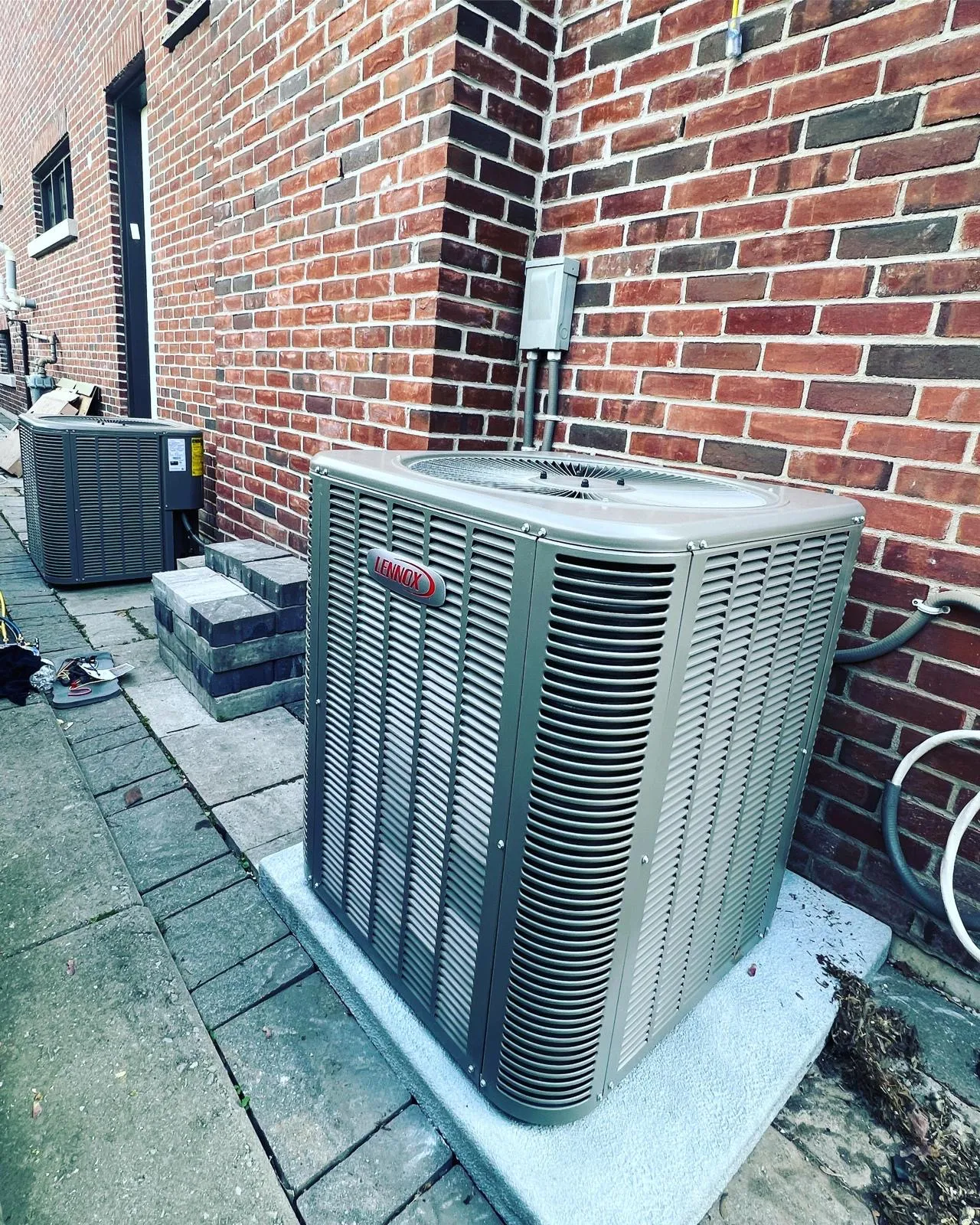
A GTA summer rarely arrives gently. One week you’re still running the furnace on cool nights; the next, it’s 32 degrees with humidex and your air conditioner is working overtime. That’s also when the hydro bills start to sting — and when most homeowners start wondering whether they’re spending more than they need to.
The good news is that meaningful summer savings rarely require a new system. A handful of small, well-targeted changes — thermostat habits, a clean filter, sealed leaks, and the right rebates — can knock real money off a July or August bill while keeping the house comfortable.
The short version: Set the thermostat to 24-26 degrees Celsius when home and a few degrees higher when out, book a spring AC tune-up, seal leaks and shade windows, and check the 2026 Ontario rebates before replacing aging equipment. For tune-ups or upgrades anywhere in the GTA, reach out any time.
Start with your thermostat — it’s free
The single highest-leverage change is the one most homeowners under-use: the thermostat schedule. Every degree cooler you ask the AC to hold typically adds 3 to 5 percent to your cooling cost over a billing period.
A comfortable target for most GTA homes is 24 to 26 degrees Celsius while you’re home, with a setback of 2 to 3 degrees when you’re out at work or asleep. A smart or programmable thermostat does this automatically and is one of the quickest payback upgrades you can make.
Use Time-of-Use pricing to your advantage
Ontario’s Time-of-Use rates make summer weekday afternoons the most expensive time to run heavy loads. Two simple habits:
- Pre-cool slightly during off-peak hours (evenings, overnight, weekends) so the house starts the on-peak window a touch cooler.
- Let it drift up by a degree or two during on-peak afternoons — most people don’t notice 24 versus 25 indoors, but the meter does.
Give your AC a fighting chance
A neglected air conditioner uses more electricity to deliver less cooling. Two basic items make a measurable difference:
- Replace the filter every 1-3 months during cooling season. A clogged filter strangles airflow, drops capacity, and in bad cases freezes the indoor coil.
- Clear the outdoor condenser. Pull weeds, trim back shrubs, and aim for roughly 60 cm of clearance on all sides so the unit can breathe.
Beyond that, an annual professional tune-up in spring catches refrigerant, electrical, and capacitor issues before they become breakdowns. Our AC maintenance checklist walks through what you can safely do yourself and what’s worth leaving to a licensed tech.
A note on refrigerant: if your AC has slowly lost cooling capacity year over year, that’s almost always a slow leak, not “needing a top-up.” Topping up without finding the leak wastes money and refrigerant. A licensed technician should diagnose the cause.
Where your cooling dollar actually goes
Not every fix is worth the same money. Roughly, here’s how typical summer savings stack up in a GTA home — these are practical ranges, not guarantees, and your home will vary.
| Action | Typical effort | Rough cooling-cost impact |
|---|---|---|
| Raise setpoint by 1 degree C | None — change once | 3-5% per degree |
| Add a smart thermostat schedule | Low | 8-15% |
| Clean filter + clear condenser | Low (DIY) | Up to 5-10% |
| Annual professional tune-up | Low (booked) | 5-10% + reliability |
| Seal major air leaks + add attic insulation | Medium-High | 10-20% |
| Replace 15+ year-old AC with high-SEER unit | High (capital) | 20-40% on cooling |
| Upgrade to a heat pump (year-round) | High (capital) | Variable — see below |
The pattern is clear: a few low-effort items combined usually save more than any single big-ticket move.
Seal the house, then cool it
Cooling a leaky house is like running a dehumidifier with the windows open. Before you blame the AC, look at the envelope:
- Weatherstrip doors and caulk around window frames where you feel air moving.
- Block summer sun with closed blinds or light curtains on south- and west-facing windows during the hottest hours — radiant heat through glass is one of the biggest summer loads.
- Check attic insulation. Many older GTA homes are well below current standards. An afternoon attic in July can hit 50+ degrees, and that heat drives straight down into the rooms below.
- Run kitchen and bath exhaust fans sparingly. They pull conditioned air straight outside and pull humid outdoor air in to replace it.
If some rooms still feel warm no matter what the thermostat says, the issue is usually distribution — our guide on uneven heating and cooling between rooms covers why and what fixes actually work.
Manage humidity, not just temperature
In a humid GTA July, 24 degrees at 65 percent humidity feels worse than 25 degrees at 50 percent. Drier air feels cooler at a higher setpoint — which is exactly the point.
A correctly sized AC dehumidifies as it cools. An oversized AC short-cycles, never running long enough to wring water out of the air, leaving the house cold and clammy. If you’re replacing equipment, insist on a proper load calculation rather than a “same size as the old one” swap. Our guide on sizing an air conditioner explains what that should look like.
Don’t pay for cooling you can get rebated
Before replacing aging equipment, check what’s currently on offer. Ontario rebates change year to year, and the 2026 landscape includes meaningful incentives for high-efficiency cooling and especially for heat pumps. We keep a running summary in our HVAC rebates Ontario 2026 guide.
A few quick points worth knowing as of 2026:
- Heat pumps often qualify for the largest incentives because they replace fossil heating as well as cooling.
- Rebate programs typically require an installation by a qualified contractor — DIY installs don’t qualify.
- Programs change. Always verify current eligibility before signing a contract.
When replacement actually pays off
If your central AC is 15 years or older, runs constantly, struggles on the hottest days, or has needed multiple repairs, the math often favours replacement over another season of patchwork. Modern high-SEER systems cut cooling electricity meaningfully, and a properly sized heat pump can handle both cooling in summer and shoulder-season heating in fall.
A reputable contractor will:
- Perform a load calculation rather than guessing from the old nameplate.
- Walk you through SEER (efficiency) trade-offs against price.
- Confirm your ductwork and electrical can support the new equipment.
- Flag any rebates you qualify for before quoting.
You can read more about our air conditioning work, or browse the full list of services on our services page.
When to call Delson Air
If your summer hydro bill keeps creeping up, your AC is aging, or you want a no-pressure look at whether a heat pump makes sense for your home, Delson Air is here to help. We’re a licensed, insured, TSSA-licensed contractor and an Enbridge Authorized Contractor, serving Toronto, Mississauga, Markham, Vaughan, Brampton, Richmond Hill, Oakville, and the rest of the GTA.
Call us at (647) 467-9919 or reach out through our contact page to book a tune-up, get a quote, or just ask a question. Your comfort is our priority — and a smaller hydro bill is a nice bonus.
FAQ
Common questions
What temperature should I set my thermostat to in the summer?
Does closing vents in unused rooms save money?
Is it cheaper to leave the AC on all day or turn it off?
When is Ontario electricity cheapest in summer?
Delson Air Team
Licensed, insured, TSSA-certified HVAC technicians serving the Greater Toronto Area.
Keep reading
More from the Journal
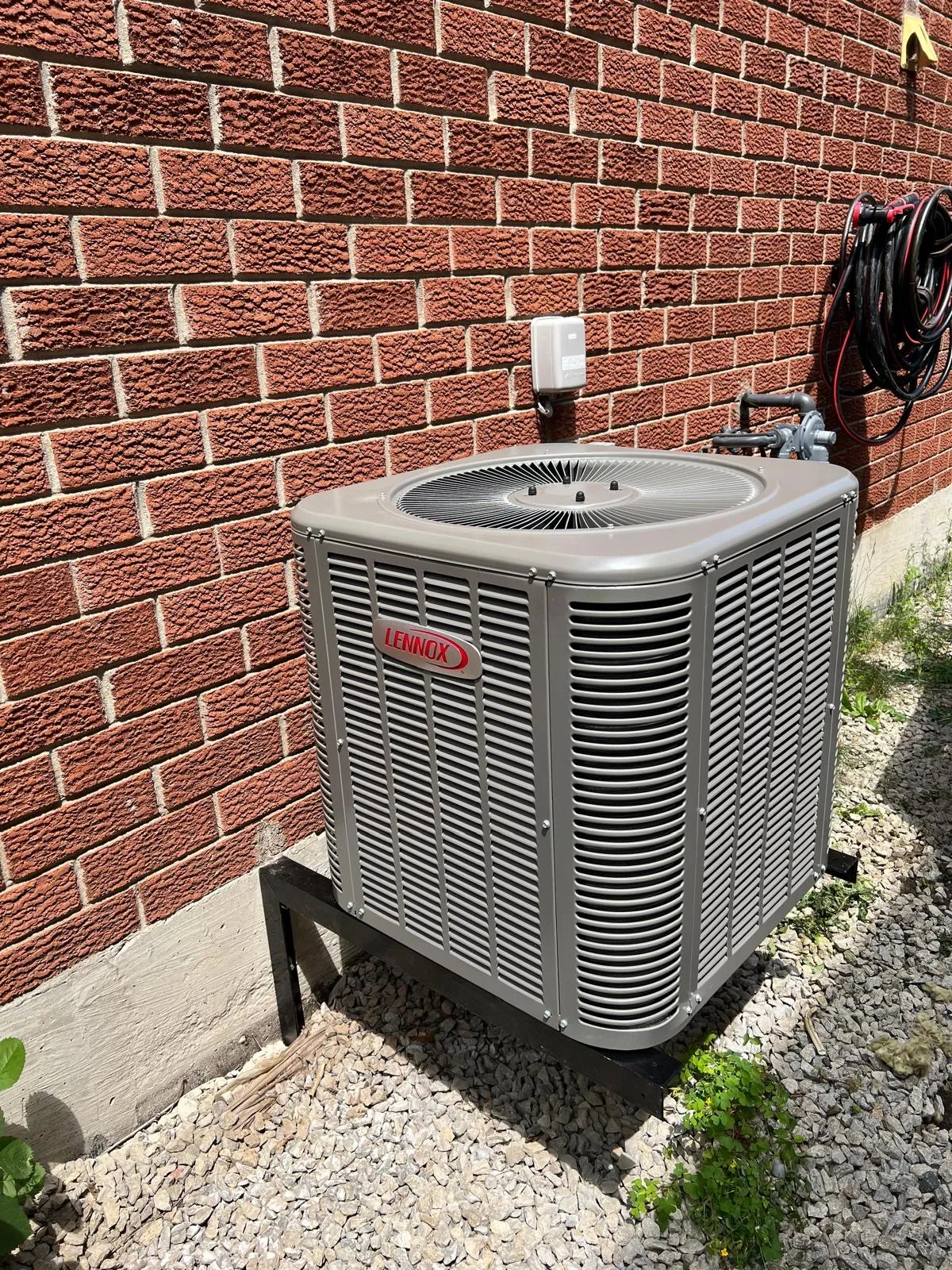
AC Installation in Vaughan: Sizing, Local Costs, and What to Expect
Planning a central AC install in Vaughan? Here's how sizing, ductwork, permits and 2026 GTA pricing actually work — from Woodbridge to Maple and Thornhill.
Mid-Summer AC Problems and What They Mean
Mid-summer AC problems in the GTA decoded — what warm air, ice, odd noises and short cycling really mean for Toronto and Ontario homeowners.
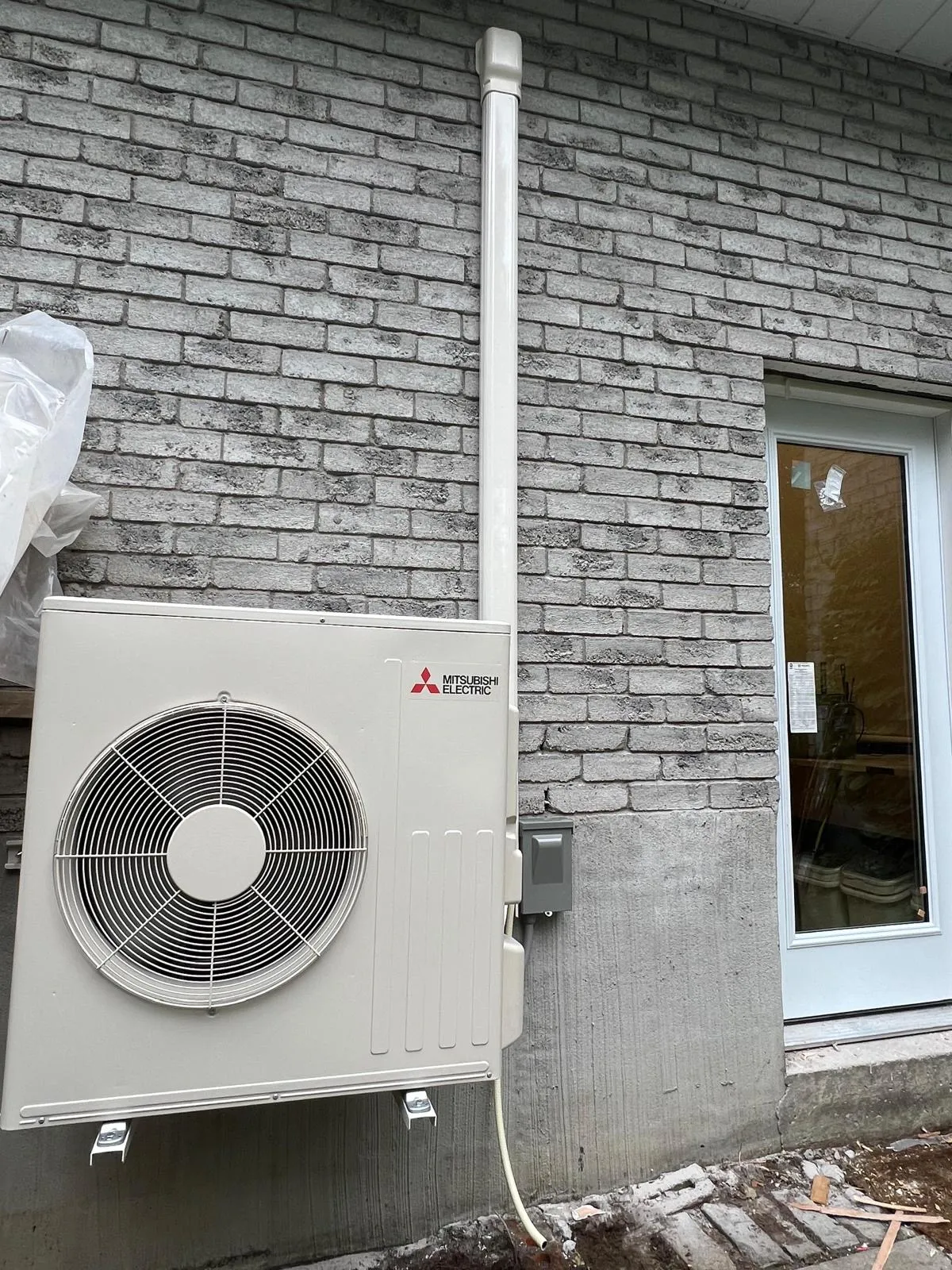
Ductless Mini-Split vs Central AC: Which Is Right for Your GTA Home?
Ductless mini-split vs central air conditioning for Toronto and GTA homes: compare cost, efficiency, comfort, install complexity, and which one actually fits your house.