Ductless Mini-Split vs Central AC: Which Is Right for Your GTA Home?
Ductless mini-split vs central air conditioning for Toronto and GTA homes: compare cost, efficiency, comfort, install complexity, and which one actually fits your house.
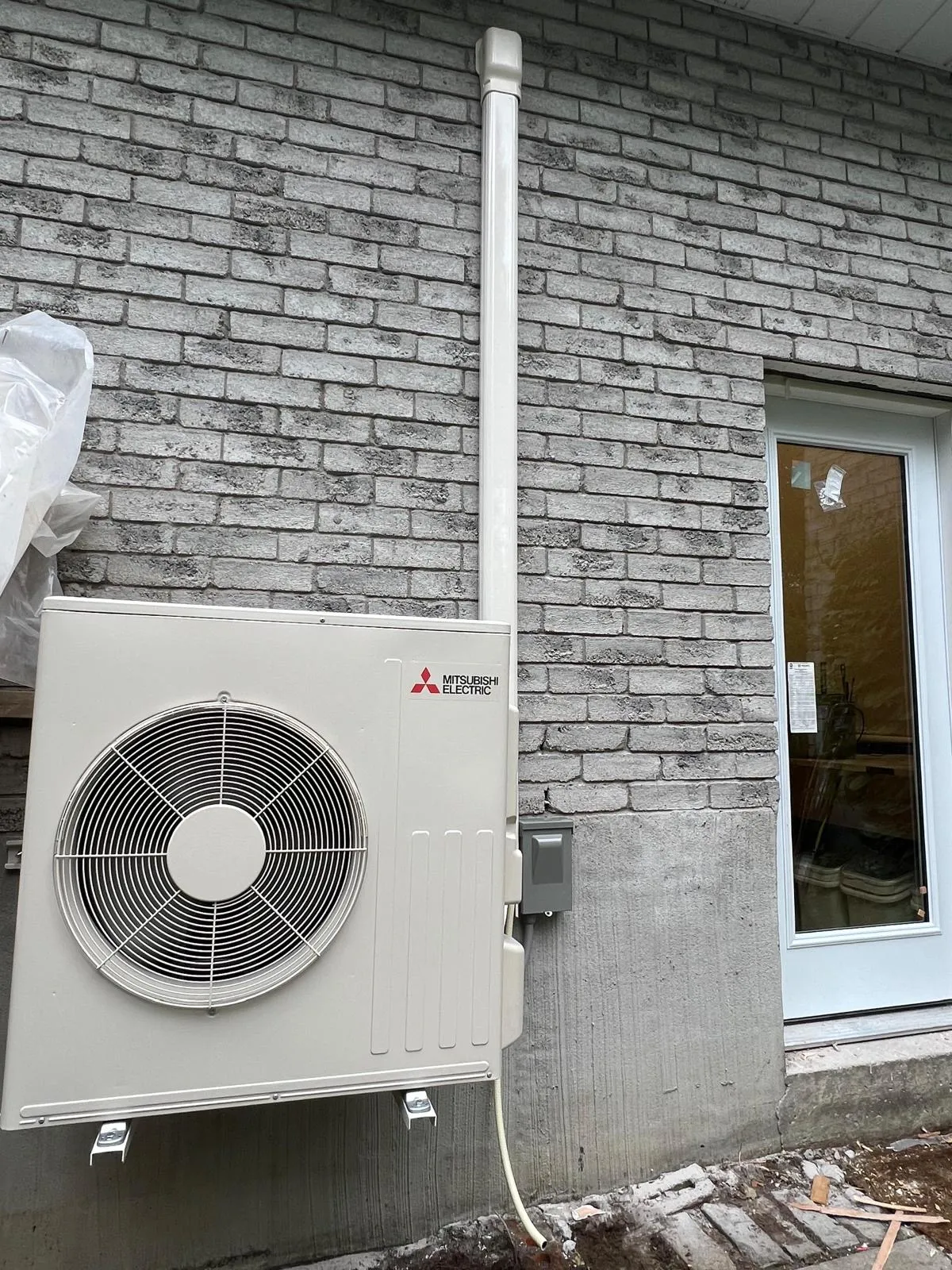
Walk through any GTA neighbourhood in July and you’ll see two very different ways to cool a house. On most homes there’s a familiar grey box humming away beside the foundation — a central AC condenser. On others, a slimmer outdoor unit feeds one or two small wall cassettes inside. Both keep a Toronto home comfortable through a humid summer. They just go about it in completely different ways.
If you’re choosing between them — whether you’re replacing dying equipment, finishing a basement, or cooling an addition — the right answer depends less on personal preference and more on how your house is built. Let’s break down where each system genuinely wins.
The short version: Central AC is the better fit for homes that already have good ductwork and want one thermostat to cool everything. Ductless mini-splits win for homes with no ducts, problem rooms, or anyone who wants real zoned control. Both can be paired with a heat pump for year-round comfort, and both should be properly sized to your actual home — not a square-footage guess.
How each system actually cools your home
A central air conditioner has one outdoor condenser connected to an indoor coil that sits on top of (or inside) your furnace. Your furnace blower pushes cooled air through the same duct network that carries warm air in winter. One thermostat. One big airflow path. Whole house cooled together.
A ductless mini-split skips the ductwork entirely. The outdoor unit connects through a small refrigerant line to one or more indoor heads — usually mounted high on a wall, sometimes ceiling-recessed or floor-standing. Each head has its own fan, its own coil, and its own remote or thermostat. You cool only the rooms you want, when you want.
That single difference — shared ducts versus independent heads — drives almost every other comparison below.
Cost: it depends on how much of the house you cool
People love a quick answer here. The honest one is that costs overlap so heavily that you can’t pick a winner without knowing the scope.
A single-zone ductless install (one outdoor unit, one indoor head) is usually the cheapest path to cool a problem room — a bedroom over a garage, a finished attic, an addition with no ducts. There’s no air handler, no sheet metal, no demo.
A whole-home central AC install, assuming your ducts are already there and in decent shape, is typically a one-day job and lands in a predictable price band. You’re adding a condenser and an evaporator coil to an existing system.
A multi-zone ductless install — three, four, five indoor heads on one outdoor unit — climbs quickly. By the time you’ve cooled a whole house with ductless, you’re often at or above central AC pricing.
| Scenario | Typical install path | Roughly where pricing lands (CAD, 2026) |
|---|---|---|
| Replace existing central AC | New condenser + coil, reuse ducts | Lower end of central pricing |
| New central AC, ducts already in place | Condenser + coil + electrical | Middle of central pricing |
| Add central AC to a home with no ducts | Full duct design + install | Highest cost, most disruptive |
| Cool one problem room | Single-zone ductless | Lowest overall cost |
| Cool a whole house with no ducts | 3–5 head multi-zone ductless | Comparable to or above central |
Treat these as rough starting points. Real numbers depend on your home, your panel capacity, line-set length, brand, and efficiency tier. A proper site visit is the only way to get a defensible quote.
Efficiency and operating cost
Modern ductless mini-splits are remarkably efficient. Top models reach SEER2 ratings well into the 20s, and because each head cools only the zone you’re using, you’re not paying to chill empty rooms.
A high-efficiency central AC with a variable-speed compressor closes much of that gap. The catch is duct losses — leaky or uninsulated ducts in an attic or unconditioned basement can quietly waste 10–30% of the cooling you paid for. If your ducts are sealed and well-routed, central AC is genuinely competitive. If they aren’t, ductless tends to pull ahead in real-world bills.
A new high-SEER central AC sitting on top of leaky 1970s ductwork will never deliver the efficiency on the label. If you’re upgrading equipment, it’s worth having the duct system inspected at the same time.
Comfort: even cooling versus targeted control
Central AC’s biggest strength is one consistent feel across the home. When sizing, airflow, and duct design are right, every room sits within a couple of degrees of the thermostat. It’s invisible — no equipment on the walls, no remote in every room.
Ductless wins on zoned control. Your home office stays at 21°C while the unused guest room sits at 25°C. The primary bedroom cools down at night without freezing the rest of the house. For families who fight over the thermostat, that flexibility is genuinely valuable.
Ductless also handles problem rooms better than almost anything else — a west-facing bonus room that bakes in afternoon sun, a converted attic, a finished basement that ductwork never reached. A single head solves the problem without re-engineering the whole house.
Installation: what each one means for your house
A central AC install on an existing duct system is fast and clean — usually one day, with most of the work happening at the furnace and outside. Adding ducts to a house that doesn’t have them is the opposite: weeks of work, dropped ceilings, soffit boxes, paint, and patching.
A ductless install is far less invasive. Each indoor head needs a small hole through the exterior wall behind it for refrigerant and condensate lines. Outside, those lines are routed in a line-set cover down to the condenser. There’s no demo and no ductwork. The trade-off is the visible indoor head — most are slim, white, and quiet, but they aren’t invisible the way a register grille is.
A quick comparison
| Factor | Central AC | Ductless Mini-Split |
|---|---|---|
| Best for | Homes with good existing ductwork | Homes without ducts or with hot/cold rooms |
| Whole-home cooling | Excellent | Good (multi-zone required) |
| Zoned control | Limited | Excellent — per room |
| Visible indoor units | None | Yes — wall/ceiling/floor heads |
| Install disruption | Low (with ducts), high (without) | Low |
| Year-round heating option | Pair with furnace or heat pump | Many units are heat pumps already |
| Duct losses | Possible | None |
When each one is the obvious choice
Some homes practically pick the system for you. Use this as a sanity check:
- Choose central AC if you have functional ductwork, want one thermostat, prefer no visible indoor equipment, and the whole home cools fairly evenly already.
- Choose ductless if you have no ducts, you’re cooling an addition or finished basement, you want strong zoning, or you have specific rooms that are always too hot or too cold.
- Consider a hybrid if you have central AC that works for most of the house plus one stubborn room. A single ductless head can solve that one zone without scrapping the whole system.
A note for homeowners thinking ahead: if you’re planning to replace heating in the next few years, factor that in now. A ductless heat pump can quietly become your primary cooling and heating, which changes the math significantly. Our heat pump vs furnace guide walks through that decision in detail.
Sizing matters more than the type you pick
Whichever path you choose, correct sizing is non-negotiable. An oversized central AC short-cycles, leaves rooms clammy, and wears out the compressor early. An undersized ductless head runs flat-out on humid days and never quite catches up.
The fix is the same in both cases: a proper Manual J load calculation on your actual home — square footage, insulation, windows, orientation, air sealing, ceiling height, occupants. There’s a full walkthrough in our air conditioner sizing guide if you want to understand the numbers before you talk to a contractor.
Whatever brochure says, “bigger” isn’t “better.” Right-sized is better.
When to call Delson Air
Choosing between central air conditioning and a ductless heat pump or mini-split is one of those decisions where a half-hour with the right contractor saves you years of regret. Delson Air is a licensed, insured, TSSA-licensed and Enbridge Authorized HVAC contractor serving the Greater Toronto Area — Toronto, Mississauga, Markham, Vaughan, Brampton, Richmond Hill, Oakville, and beyond. We’ll look at your ducts, your layout, your problem rooms, and your budget, then recommend the system that genuinely fits the home you live in — not the one we’d most like to sell. Call us at (647) 467-9919 or book a consultation and let’s get you set up before the next heat wave.
FAQ
Common questions
Is a ductless mini-split cheaper than central air conditioning?
Can a ductless mini-split cool a whole GTA house?
Do ductless mini-splits also heat in winter?
How disruptive is a central AC install if I do not already have ductwork?
Delson Air Team
Licensed, insured, TSSA-certified HVAC technicians serving the Greater Toronto Area.
Keep reading
More from the Journal
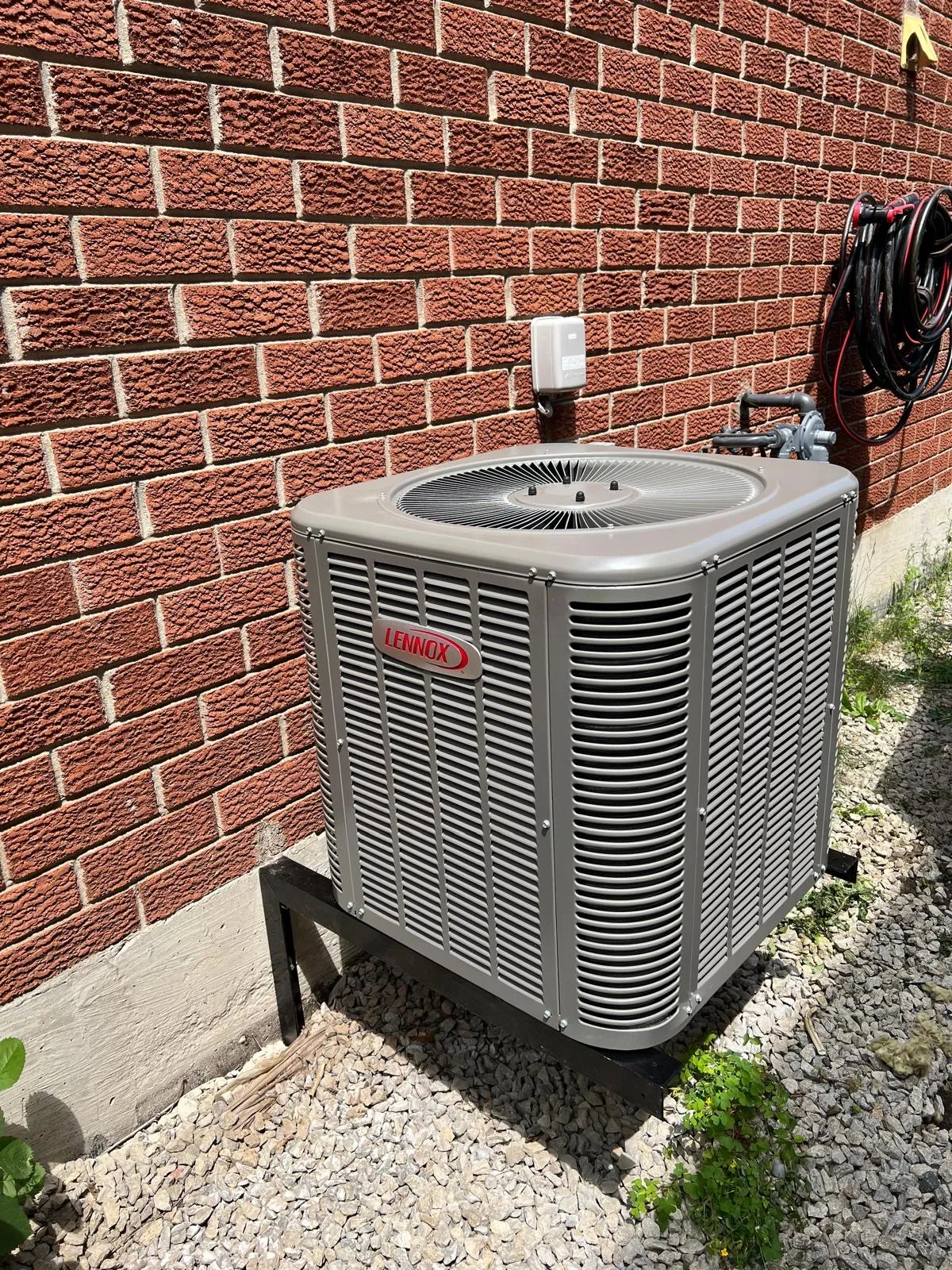
AC Installation in Vaughan: Sizing, Local Costs, and What to Expect
Planning a central AC install in Vaughan? Here's how sizing, ductwork, permits and 2026 GTA pricing actually work — from Woodbridge to Maple and Thornhill.
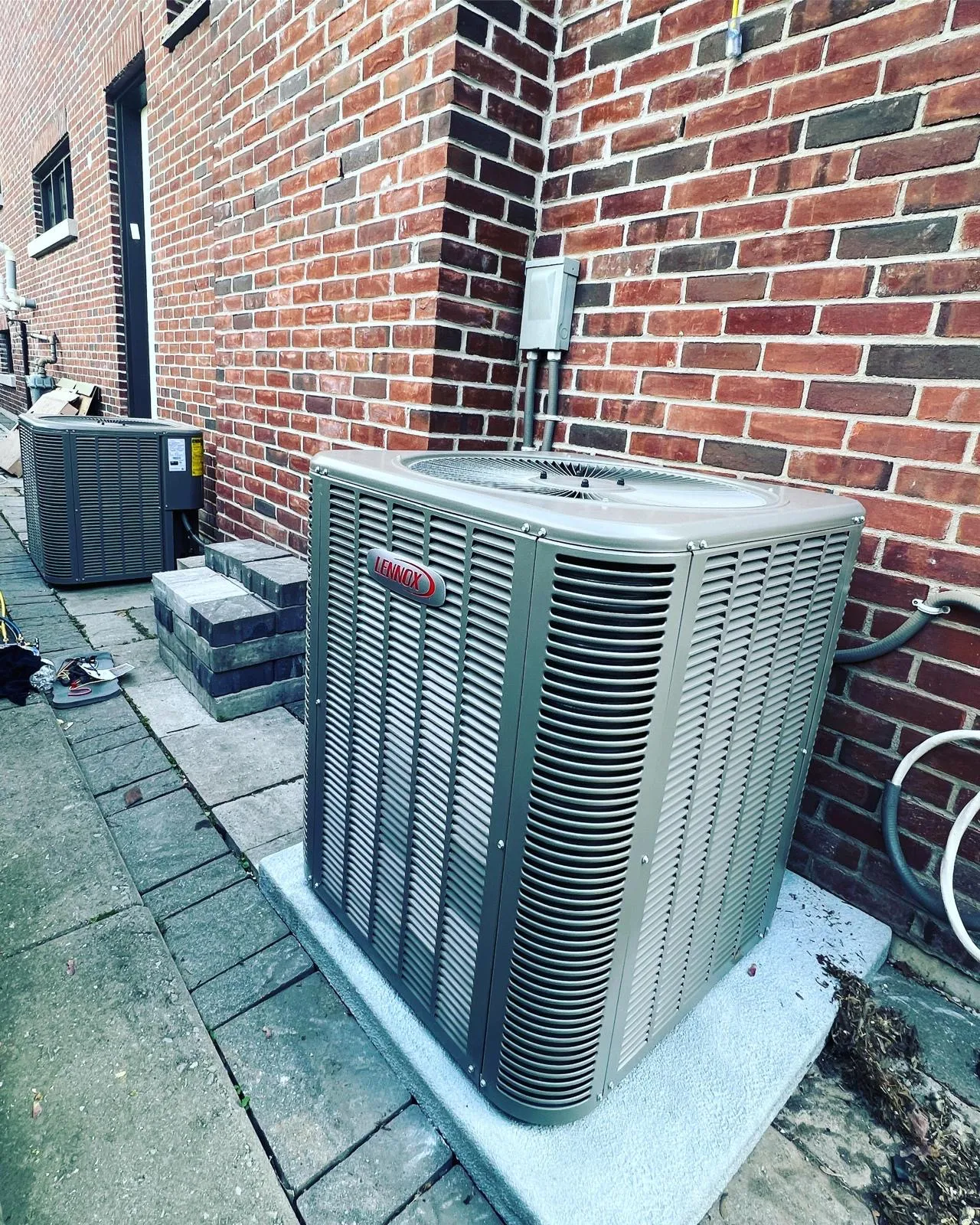
Mid-Summer AC Problems and What They Mean
Mid-summer AC problems in the GTA decoded — what warm air, ice, odd noises and short cycling really mean for Toronto and Ontario homeowners.
How to Lower Your Cooling Bill This Summer in the GTA
Practical ways Toronto and GTA homeowners can cut summer cooling costs — thermostat settings, AC tune-ups, sealing leaks, and rebates that actually move the needle.