

Boiler vs Furnace: Which Heating System Wins for Your GTA Home?
Boiler vs furnace for GTA and Ontario homes: compare comfort, efficiency, install cost, lifespan, and which heating system actually fits your Toronto-area house.
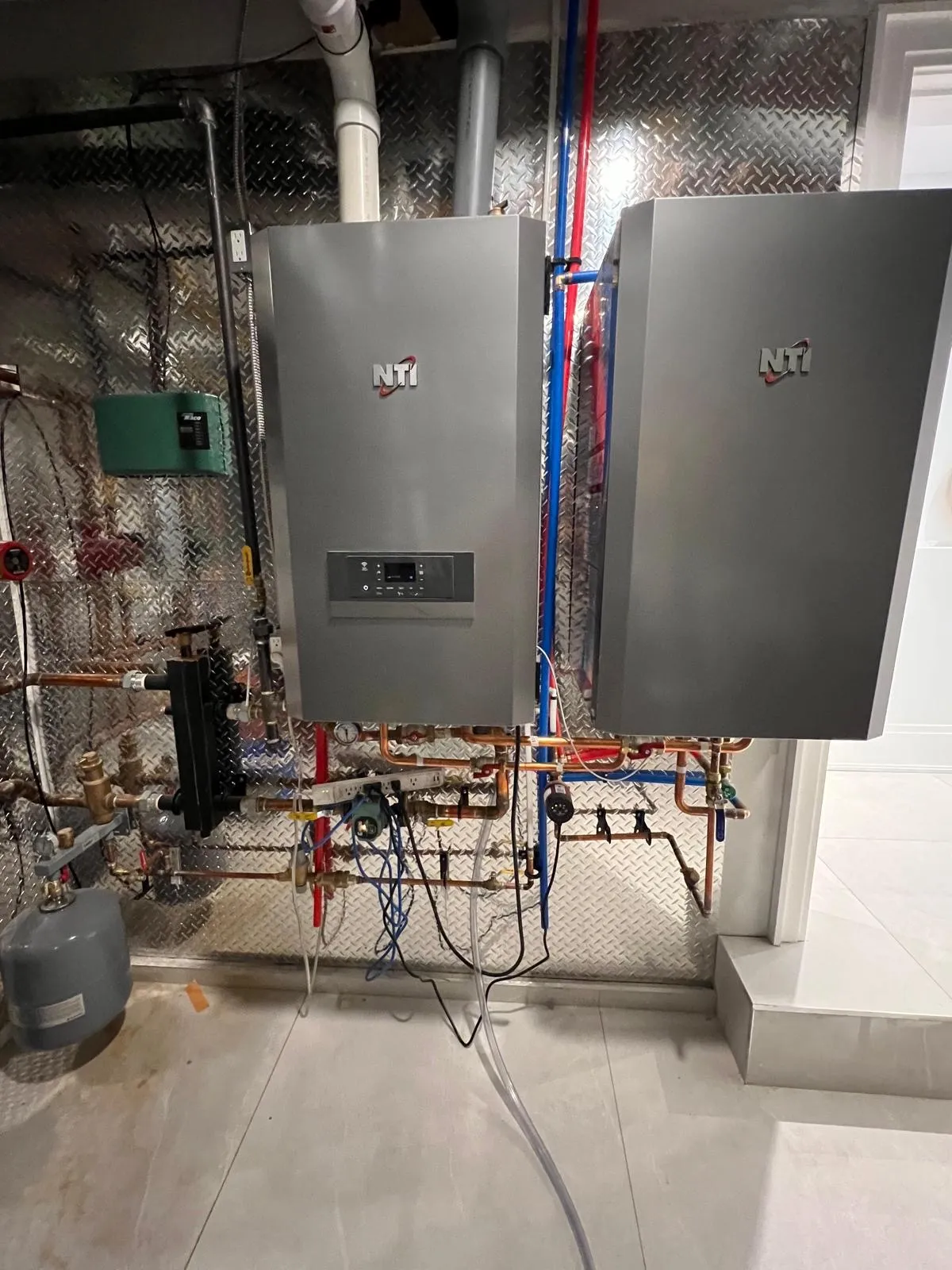
If your heating system is getting tired and you’re staring down a replacement, you’ve probably hit the same fork in the road thousands of Greater Toronto Area homeowners face every year: do you stick with a furnace, or is a boiler the smarter long-term move? The two systems heat your home in genuinely different ways, and the right answer depends as much on your house as it does on the equipment.
Let’s cut through the marketing and look at how a boiler and a furnace actually compare for a GTA home — comfort, cost, efficiency, lifespan, and the practical realities of installation in a Toronto-area house.
The short version: A furnace heats fast, costs less to install, and pairs naturally with central air — the default for most modern GTA homes with ducts. A boiler delivers quieter, steadier radiant comfort and tends to last longer, which is why it still wins in many older GTA homes built around hydronic heat. The cheapest answer is usually to match the infrastructure your home already has. If you’re also weighing electrification, see our heat pump vs furnace comparison.
How each system actually heats your home
A furnace is a forced-air system. It burns natural gas (or, less commonly in the GTA, runs on electricity or propane), heats air in a heat exchanger, and a blower pushes that warm air through your ductwork into each room. The same ducts let you run central air conditioning in summer.
A boiler is a hydronic system. It heats water, then circulates it through pipes to radiators, baseboards, or in-floor tubing. The heat radiates from those surfaces into the room. Nothing is blown around — no ducts, no rushing air, no filter to change every few months.
That single difference — moving warm air versus moving warm water — drives almost every comfort, cost, and practical trade-off below.
Boilers and water heaters aren’t the same thing. A boiler is built to keep heating water flowing to radiators or floors. A water heater supplies hot water to taps and showers. A combi boiler can do both jobs, but a regular boiler typically does not heat your domestic hot water on its own.
Comfort: steady radiant heat vs. fast forced air
Talk to anyone who grew up with cast-iron rads in an east-end Toronto home and they’ll tell you boiler heat feels different — and they’re right.
- Boilers produce even, radiant heat with very little temperature swing. There’s no whoosh of air, no cold drafts when the system kicks on, and the air stays less dry because nothing is being blown over a hot exchanger. Many homeowners describe it as a “warmer-feeling” 20°C.
- Furnaces produce fast, high-volume heat. When you bump the thermostat, a furnace warms a cold room quickly. The trade-off is more noticeable cycling — warm air, then a pause, then warm air again — plus drier winter air and dust circulation through the ducts.
If anyone in the home is sensitive to dry winter air or allergens, a boiler’s lack of forced air is a real advantage. If you want a system that can recover a cold house quickly after a weekend away, a furnace usually does it faster.
Cost: furnace wins on install, boiler narrows the gap over time
There’s no avoiding it — installing a boiler is typically more expensive than installing a furnace, especially as a retrofit into a home that doesn’t already have hydronic piping.
| Factor | High-efficiency gas furnace | High-efficiency gas boiler |
|---|---|---|
| Typical installed cost (2026, GTA) | Roughly $4,500–$7,500 | Roughly $7,500–$13,000+ |
| Heat delivery | Forced air through ducts | Hot water through radiators or floor loops |
| Pairs with central AC? | Yes — uses same ducts | No — AC needs a separate system |
| Air quality and humidity | Drier air, dust circulation | No forced air, steadier humidity |
| Typical efficiency (AFUE) | Roughly 95–98% (condensing) | Roughly 90–95% (condensing) |
| Typical lifespan | Roughly 15–20 years | Roughly 15–25 years |
| Maintenance complexity | Lower; filter + annual service | Higher; water chemistry matters |
All figures are ballpark ranges and depend heavily on the home, the equipment chosen, and what’s already in place. They are a starting point for a conversation, not a quote.
Two things narrow the lifetime cost gap. First, a well-maintained boiler often outlasts a furnace by several years, so you replace it less often. Second, boilers have far fewer moving parts — a single circulator pump and a few valves do most of the work, where a furnace runs a blower motor thousands of hours per heating season.
Efficiency: closer than the marketing suggests
Both modern systems can be excellent. Efficiency is measured in AFUE (Annual Fuel Utilization Efficiency) — the percentage of fuel energy turned into usable heat.
- A modern condensing furnace typically rates 95–98% AFUE.
- A modern condensing boiler typically rates 90–95% AFUE.
On the equipment sticker, the furnace usually edges out. In the real world, the gap is smaller. Boilers tend to deliver heat more efficiently to the room because there are no duct losses — ducted systems can lose 10–25% of their heat through poorly sealed or uninsulated ducts, especially in cold basements and attics. A boiler’s pipes lose almost nothing by comparison.
The other efficiency story is zoning. Boilers are easy to zone — different floors or rooms can run on independent loops and thermostats, so you only heat what you’re using. Multi-zone furnace setups exist, but they’re more complex and less common in GTA homes.
Lifespan, maintenance, and what can go wrong
A few practical realities of living with each system:
- Furnaces need regular filter changes (every 1–3 months in heating season) and an annual professional inspection. The blower motor and igniter are the most common failure points. They’re loud relative to a boiler but generally cheaper to repair.
- Boilers don’t have filters, but they live or die by water quality and pressure. Air in the lines, sediment, corroded fittings, and a failing expansion tank are the classic issues. They run almost silently, but a leak inside a wall or floor is a much bigger problem than a furnace fault.
For both, annual professional service is non-negotiable in the GTA — partly for performance and longevity, partly because Ontario gas appliances must be serviced by a TSSA-licensed technician. Skipping years of service is the single biggest reason heating systems fail early.
Which one fits your GTA home?
The smartest first question isn’t “which is better?” — it’s “what does my house already have?”
- You have ducts and central AC. A high-efficiency gas furnace is usually the cheapest and simplest replacement. You reuse your ductwork, keep central cooling on the same system, and avoid the cost of running hydronic piping.
- You have radiators, baseboards, or in-floor heating. A modern condensing boiler is almost always the right move. You preserve the comfort of radiant heat, your existing piping does most of the work, and you can add zones easily.
- You’re renovating heavily, gutting walls, or building new. This is the moment to genuinely choose. In-floor hydronic heat from a boiler is a serious comfort upgrade and pairs well with a separate cooling system. Forced air is cheaper and lets you keep AC and heating in one duct network.
- You’re trying to reduce gas use long-term. Consider a heat pump in the comparison. Our heat pump vs furnace guide for Ontario walks through the operating-cost math and where dual-fuel makes sense.
If you already love how your home heats — radiator warmth, even floors, no drafts — replacing like-for-like preserves that. Switching the whole delivery method (ripping ducts out for hydronic, or running new ducts through a brick semi) is rarely worth the cost on its own.
So which heating system actually wins?
Honestly? Both can be the right answer.
A furnace wins on upfront cost, speed of heating, and tidy integration with central AC. It’s the default for the majority of newer GTA homes and most subdivisions for good reason.
A boiler wins on comfort, longevity, and quiet, even heat — and in older Toronto homes already plumbed for hot water heat, it’s usually the obvious, sensible choice. If you’ve ever felt the difference between a radiator-warmed living room and a forced-air one, you understand why hydronic fans rarely switch back.
The system that wins for your home is the one that matches your house, your priorities, and the infrastructure already in your walls. Get those right and either system will keep you comfortable for two decades.
When to call Delson Air
Picking between a boiler and a furnace shouldn’t come down to whichever brochure shows up in your mailbox. Delson Air installs and services both furnaces and boilers across the Greater Toronto Area, including Toronto, Mississauga, Markham, Vaughan, Brampton, Richmond Hill, and Oakville — so we can give you a straight answer rather than a sales pitch for whichever side we happen to stock.
We’re licensed, insured, TSSA-licensed (Ontario’s gas regulator) and an Enbridge Authorized Contractor, so the install is done right and any applicable rebate paperwork is handled properly. Browse our full list of services, call us at (647) 467-9919, or get in touch for an honest assessment of which heating system fits your home — and your budget.
Your Comfort, Our Priority.
FAQ
Common questions
Is a boiler or a furnace better for an older GTA home?
Are boilers more efficient than furnaces?
Can one boiler handle heating and hot water?
How long does a boiler last compared to a furnace?
Delson Air Team
Licensed, insured, TSSA-certified HVAC technicians serving the Greater Toronto Area.
Keep reading
More from the Journal
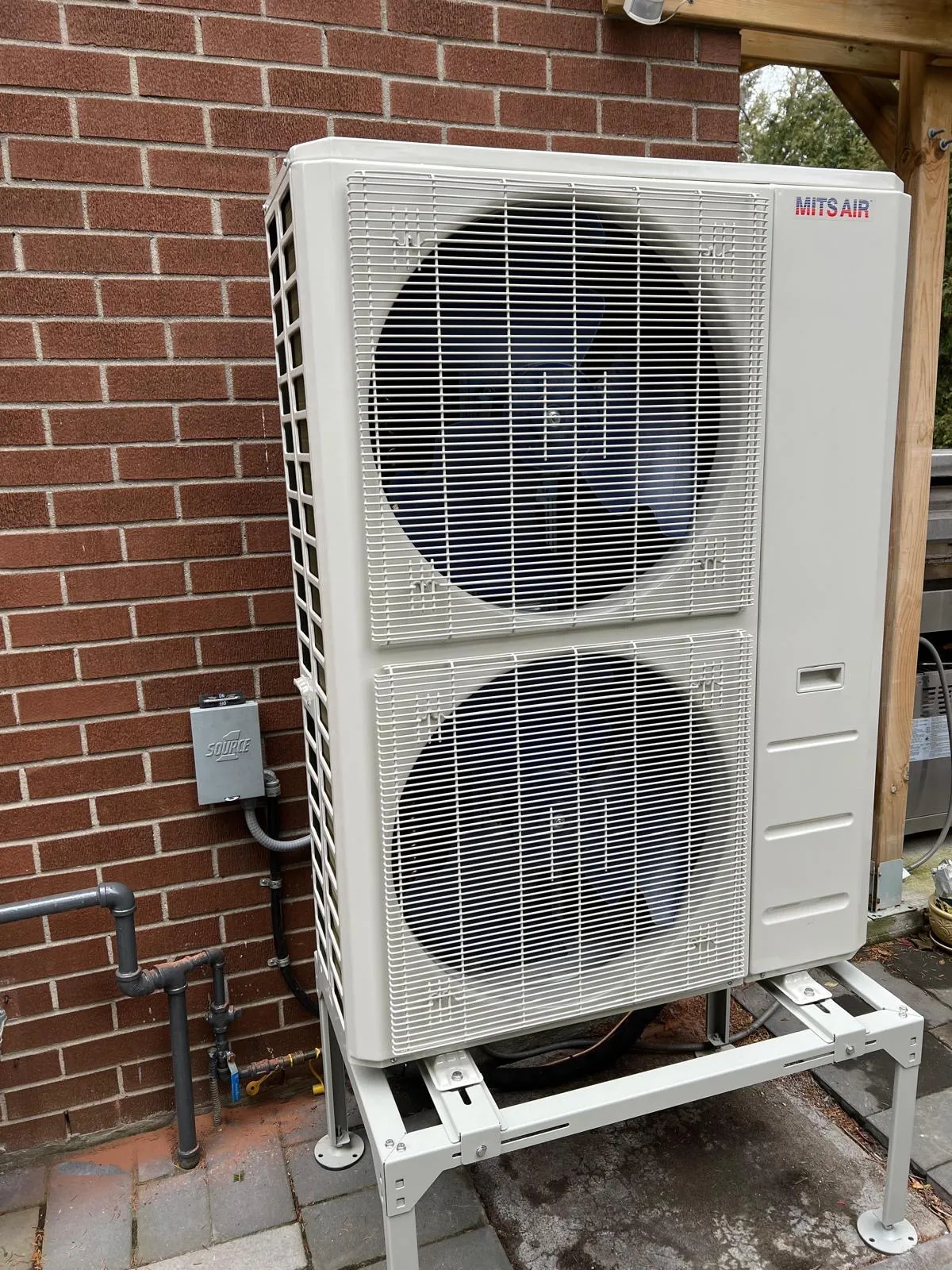
Heat Pump vs Furnace + AC: True 10-Year Cost of Ownership
Heat pump vs furnace + AC 10-year cost of ownership for GTA and Ontario homes: install, operating, maintenance, rebates, and lifetime totals compared in 2026.
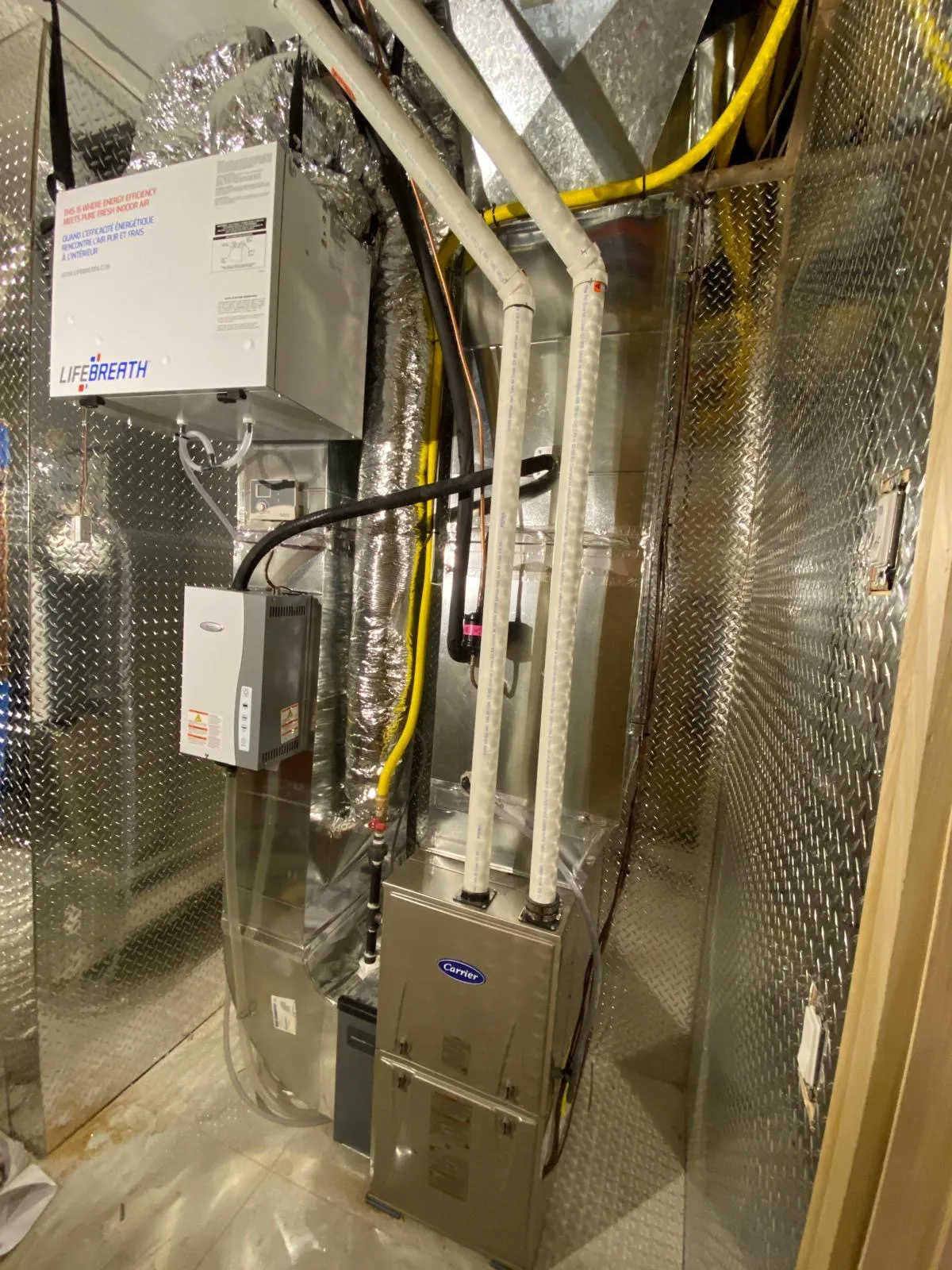
Programmable vs Smart Thermostats: 2026 Buyer's Guide
A 2026 buyer's guide comparing programmable and smart thermostats for GTA and Toronto homes — features, savings, compatibility, and which suits your Ontario HVAC system.
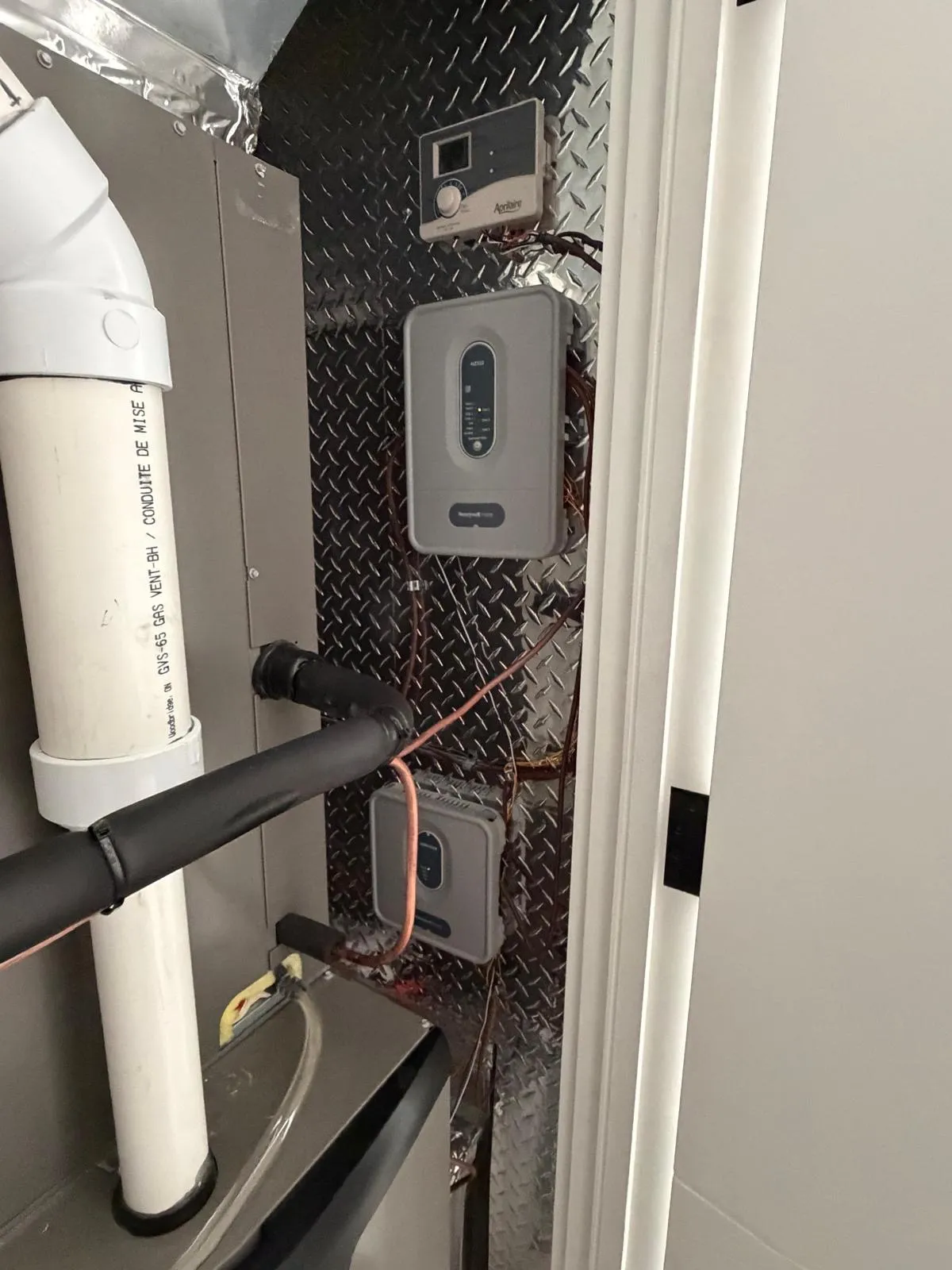
Tankless Water Heaters: Real GTA Costs in 2026
What does a tankless water heater really cost in Toronto and the GTA in 2026? Honest install ranges, tank vs tankless math, and what drives the bill.