Why Your Basement Feels Hot in Summer (And How to Fix It)
Basement hot and stuffy in summer? Here's what causes it in GTA homes — humidity, weak airflow, leaky ducts — and the fixes that actually work in Ontario.
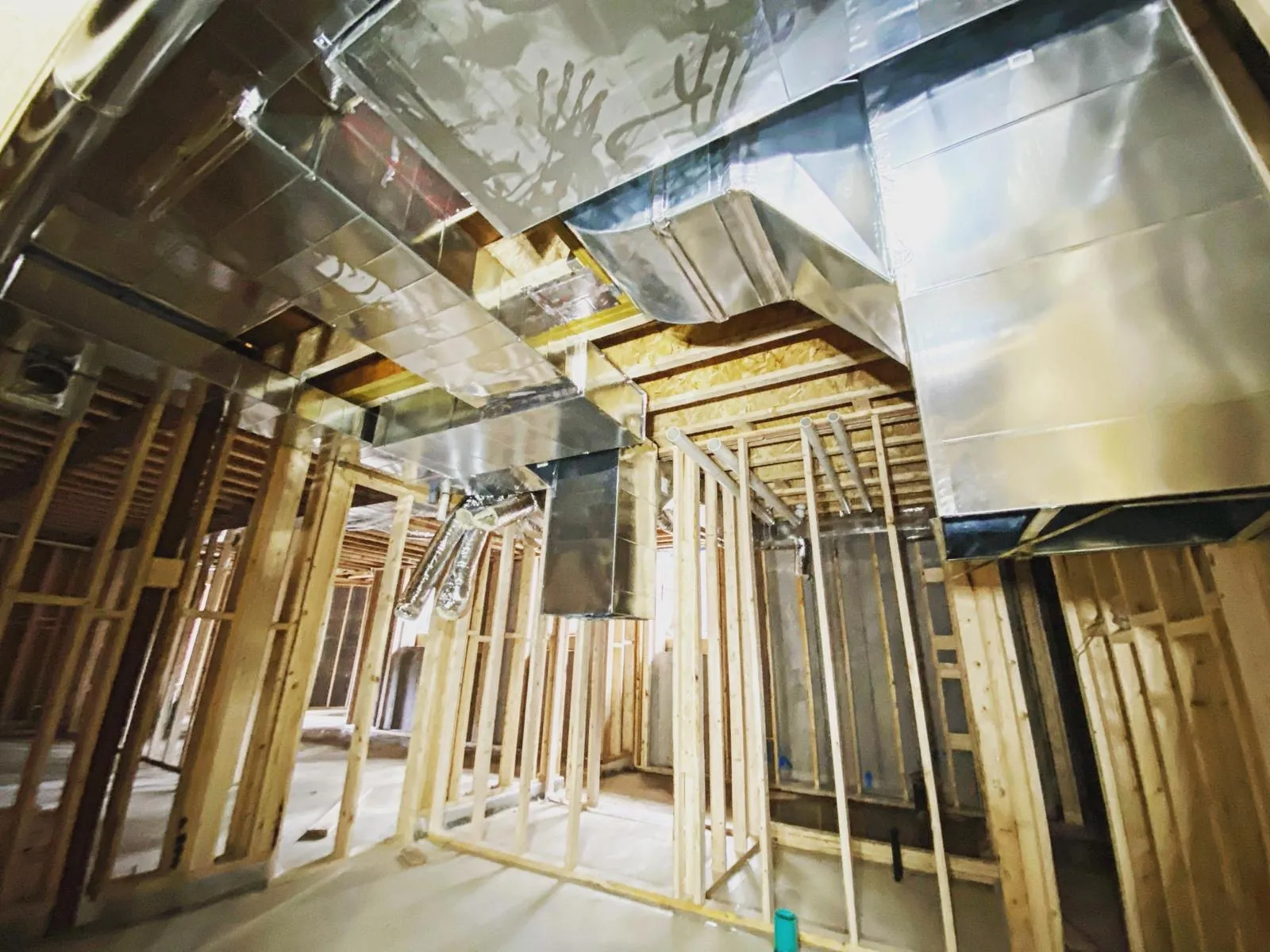
You finish the basement, set up the TV, maybe add a workout corner — and by July it’s the last place in the house you want to be. The thermostat upstairs says 22 C and the main floor feels great, but the basement is muggy, stale, and somehow warmer than it should be. You crank the AC harder. The upstairs gets cold. The basement still feels off.
This is one of the most common summer comfort calls we get across the GTA, and the cause is almost never the air conditioner itself. It’s a mix of humidity, airflow, and how your ductwork was set up — and most of it has a real fix.
The short version: A basement that feels hot in summer is usually a humidity problem, not a temperature problem, made worse by weak airflow and leaky ducts. Start with a dehumidifier and a filter change, then look at returns and damper balance. If the gap won’t close, duct cleaning and rebalancing or an AC tune-up is usually the answer — not a bigger system. Not sure where to start? Contact us and we’ll walk through it.
It’s humidity, not temperature
Below grade, the air sits still and absorbs moisture from concrete walls, the slab, leaky window wells, and a stairwell that pulls warm humid air down from the main floor. Even if the thermometer reads a perfectly comfortable 23 C, 70% relative humidity feels closer to 28 C on your skin.
Your thermostat lives upstairs. It only measures temperature, and it shuts the AC off as soon as the main floor hits its setpoint. By then the basement hasn’t had nearly enough run-time to dry out — so the air down there stays heavy and sticky long after the system cycles off.
Cool, dry air feels cooler than cold, damp air. Always start with humidity in any GTA basement before you blame the AC.
Why basements get less conditioned air than you’d think
There’s a second factor stacked on top of the humidity problem: most basements simply receive less conditioned air than the rest of the house. A few reasons:
- Cold air sinks — so cooled basement air drains out into return pathways quickly, and warm air from upstairs replaces it.
- Supply runs are often shortest to the basement, so during a reno they sometimes get pinched, crushed, or partially disconnected behind a drop ceiling.
- Many finished basements were never given proper returns, which means the system can blow air in but has no easy path to pull it back out.
- Dampers were balanced for winter, when you want more heat downstairs. Nobody re-balanced them for summer.
Any one of these on its own can make a basement feel stuffy. Stacked together, they explain almost every “why is my basement so hot?” call we get.
Quick diagnosis table
Use this as a starting point before you call anyone in.
| What you notice | Most likely cause | Where to start |
|---|---|---|
| Cool but sticky, hard to describe | High humidity | Dehumidifier, longer AC cycles |
| Barely any air from the registers | Dirty filter, closed damper, crushed duct | Replace filter, check vents, inspect duct |
| Air comes out but feels lukewarm | Leaky supply duct, low refrigerant | AC service, duct sealing |
| Cold in one corner, hot at the other end | Unbalanced dampers, no return on the hot side | Duct balancing, add a return |
| Smells musty along with feeling hot | Standing dust in ducts, mould risk | Duct cleaning, humidity control |
| Whole basement hot whenever AC runs | Disconnected branch, undersized system | Pro inspection, possible load calculation |
DIY checks to run first
Before any service call, work through these. They solve a surprising number of cases on their own.
- Replace your furnace filter. A clogged filter chokes airflow to every room, and the basement — usually farthest from the return — feels it first. Check monthly in summer.
- Walk the basement and open every supply register. Make sure furniture, rugs, and storage bins aren’t sitting on top of them.
- Find your return vents. If your finished basement has only supplies and no returns, that’s a major reason it stays muggy. Note their location for a technician.
- Set the thermostat fan to “on” instead of “auto” for a few hours. This keeps air moving between floors and often evens things out noticeably.
- Run a portable dehumidifier at 50% RH for 24 hours and see how the space feels. If it transforms the room, you’ve found your answer.
- Check for connected duct runs above the ceiling tiles. A flex duct that’s come loose during a reno is a classic cause — and a five-minute fix.
If those steps move the needle but don’t fully close the gap, it’s time to bring in a pro. Closely related: many of the same airflow rules apply when some rooms in your home are always hot or cold — the diagnosis logic carries over.
The pro fixes that actually work
When DIY isn’t enough, here’s what a qualified HVAC tech will actually look at in a GTA home. None of these involve replacing your air conditioner first.
1. Duct cleaning and sealing
A basement that has been finished — or refinished — over the years often has supply branches that leak, joints that have separated, or insulation wrap that’s failed. Sealing them with mastic or proper tape, and cleaning out years of dust at the same time, restores airflow that was being lost into ceiling cavities. Our duct cleaning service covers this end to end.
2. Balancing the dampers
Dampers are the metal slides inside your trunk ducts that adjust how much air goes to each branch. They get set once when the system is installed and rarely touched again. Re-balancing them for summer — sending a bit more air to the upper floor and the right amount to the basement — is a 30 to 60 minute job that costs far less than new equipment.
3. Adding a return
If your finished basement has supplies but no returns, the system can blow air in but it has no way out except up the stairwell. Adding a properly sized return is one of the highest-impact upgrades for a hot basement, and it pays off in winter too.
4. Whole-home or dedicated dehumidification
For chronic basement humidity, a whole-home dehumidifier tied into the duct system is the long-term answer. It runs independently of cooling demand, so it keeps the basement dry even on cooler summer days when the AC barely cycles.
5. AC sizing and tune-up
If your system is short-cycling — turning on and off rapidly — it never runs long enough to dehumidify. That’s often an equipment sizing issue, and the symptoms look exactly like a hot basement. A technician can confirm it during a standard AC service visit.
When to call Delson Air
If you’ve replaced the filter, run a dehumidifier, and your basement is still hot or sticky once July hits, the fix is almost certainly in the ductwork or the way your system is balanced — not a new air conditioner. That’s what we do every day across Toronto, Mississauga, Markham, Vaughan, Brampton, Richmond Hill, Oakville, and the rest of the GTA.
Delson Air is licensed, insured, TSSA-licensed, and an Enbridge Authorized Contractor. We’ll diagnose the real cause, walk you through the options, and only recommend the work that’s actually going to make your basement comfortable. Call us at (647) 467-9919 or get in touch — your comfort is our priority.
FAQ
Common questions
Why does my basement feel hot and sticky when the upstairs is comfortable?
Should I close the basement supply vents to push more cold air upstairs?
Do I need a separate dehumidifier for the basement?
Could my basement be hot because of a duct problem, not the AC?
Delson Air Team
Licensed, insured, TSSA-certified HVAC technicians serving the Greater Toronto Area.
Keep reading
More from the Journal
Why Some Rooms Are Always Hot or Cold — And How to Fix It
Some rooms in your GTA home always feel too hot or too cold? Here's what causes uneven heating and cooling — and the DIY checks and pro fixes that work.
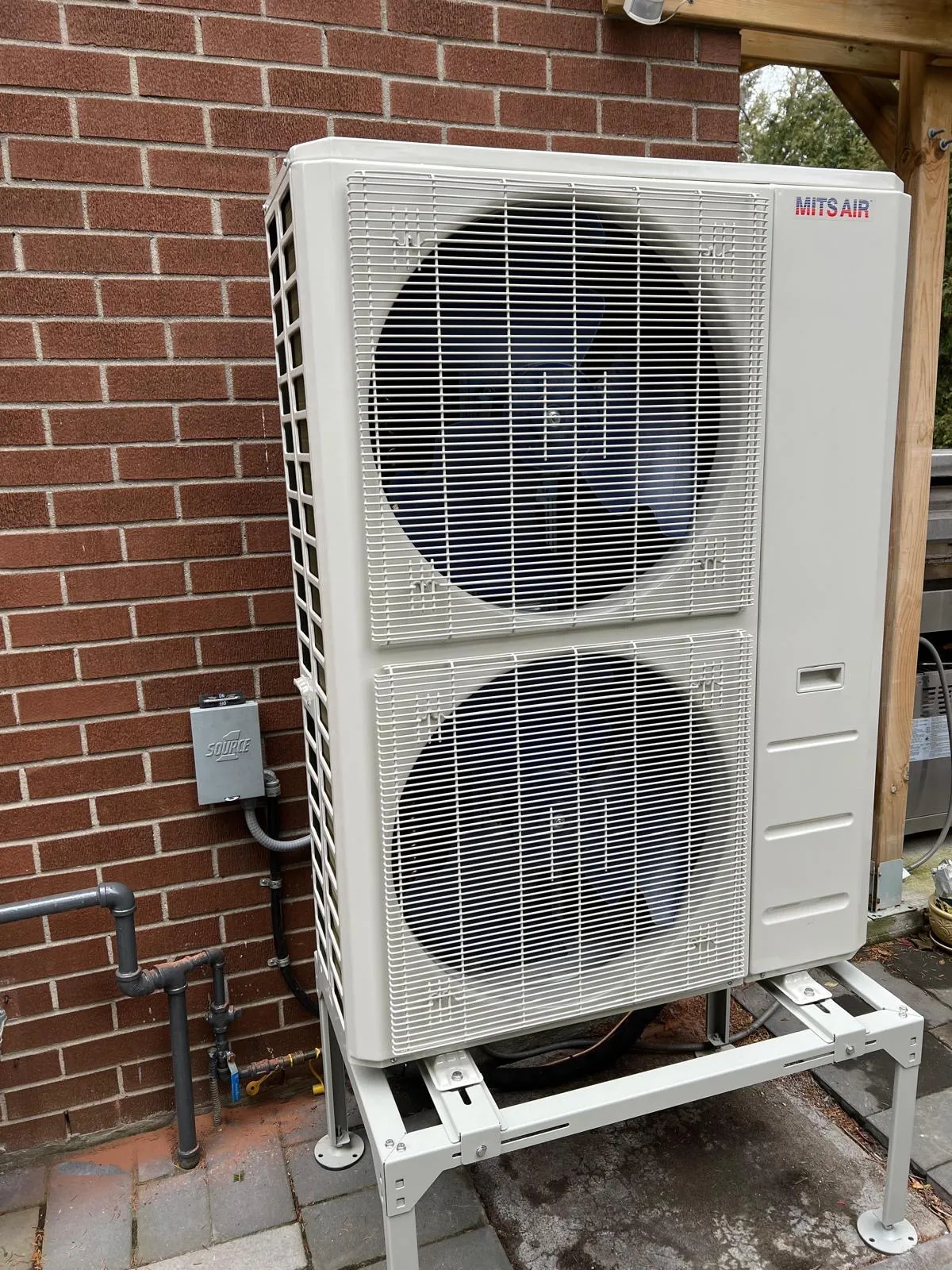
Heat Pump vs Furnace + AC: True 10-Year Cost of Ownership
Heat pump vs furnace + AC 10-year cost of ownership for GTA and Ontario homes: install, operating, maintenance, rebates, and lifetime totals compared in 2026.
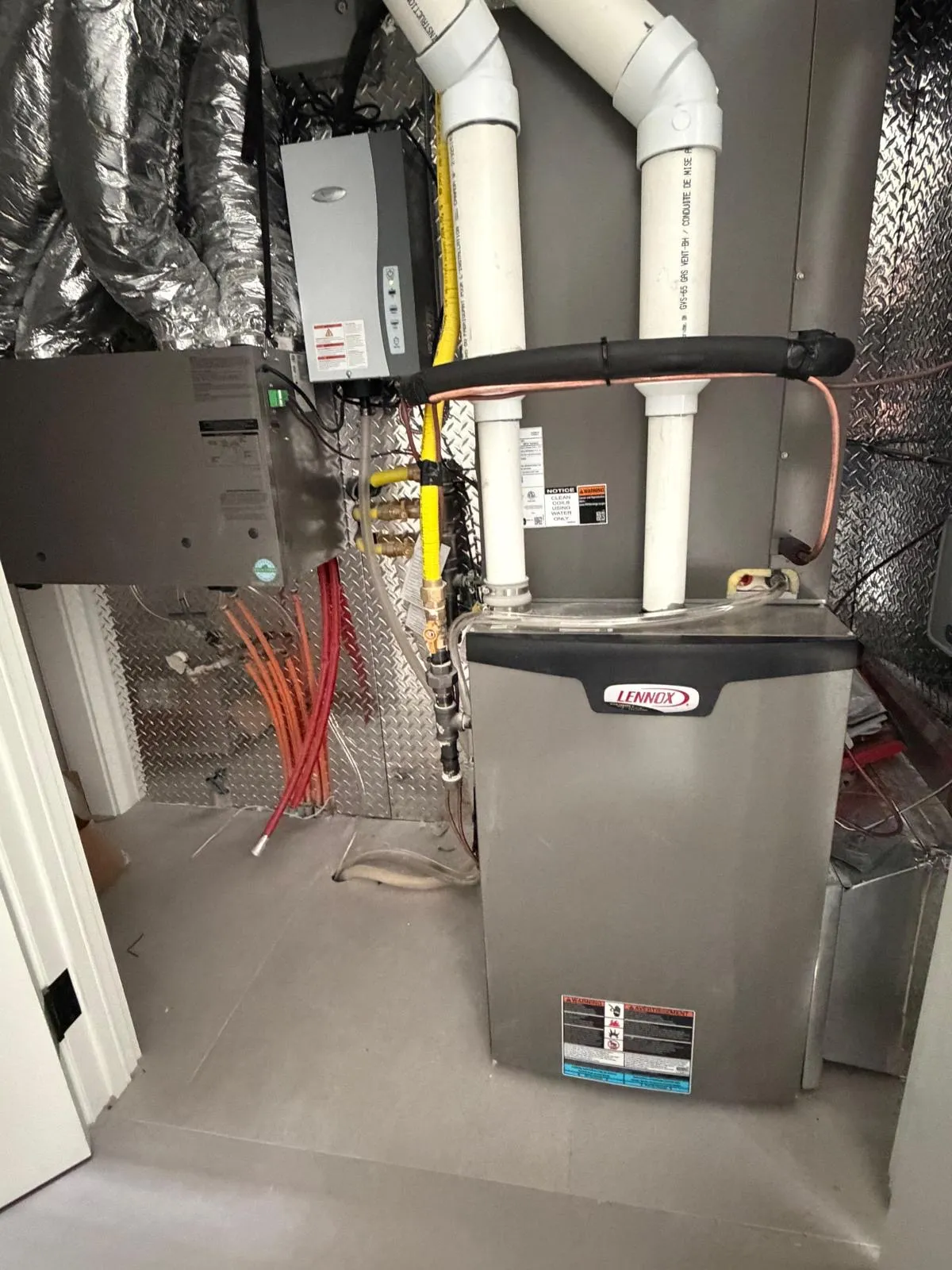
HVAC Maintenance Plans: What's Included in 2026
What an HVAC maintenance plan actually covers in 2026 — priority dispatch, repair discounts, waived diagnostic fees, and tune-ups for GTA homeowners.