

Are Heated Bathroom Floors Worth the Money?
Are heated bathroom floors worth it in GTA and Toronto homes? Compare electric mats vs hydronic, real costs, comfort, resale value, and when in-floor heat pays off.
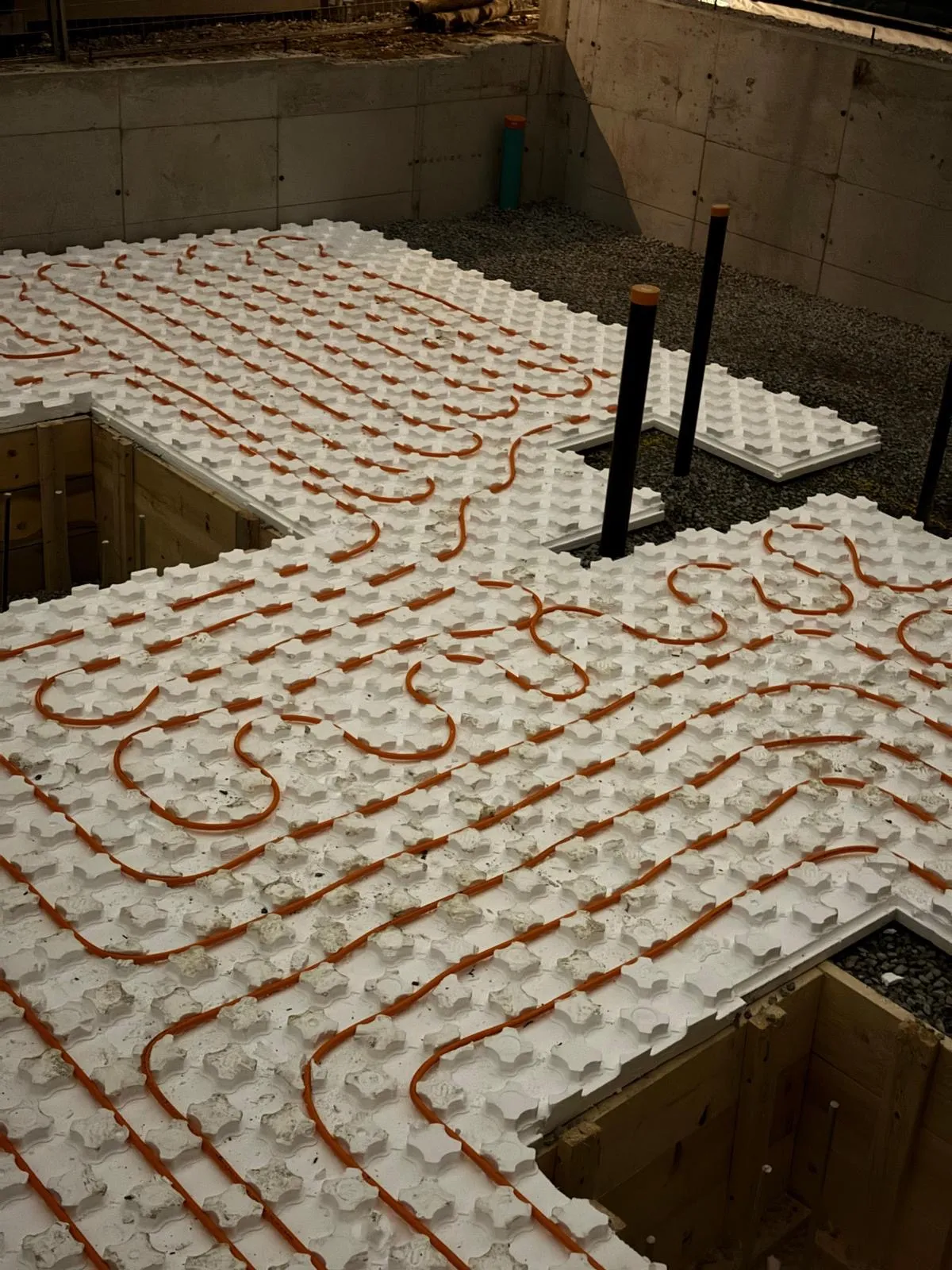
If you have ever stepped onto a freezing bathroom tile at 6 a.m. in February, you already understand why heated bathroom floors get sold so easily. Warm tile underfoot is one of those small luxuries that feels almost embarrassingly nice — quiet, invisible, and waiting for you every cold morning the Greater Toronto Area throws at the calendar.
But “nice” and “worth the money” are not the same thing. So before you sign off on a heated floor as part of your next bathroom reno, let’s look at the honest math: what it costs, what it actually changes, and when it makes sense to skip.
The short version: For most GTA bathrooms, a heated floor is worth it — but only if you install it during a renovation. Electric mat systems are the right choice for a single bathroom; hydronic only makes sense if you already have a boiler loop. Expect roughly $1,200–$3,000 installed for a typical GTA bathroom as of 2026, with operating cost of just a few dollars per month on a timer. For the broader question across the whole home, see our guide on whether heated flooring is worth it overall.
Why bathrooms are the best room for radiant heat
Bathrooms are the perfect candidate for in-floor heating, and not by accident. Three things line up:
- Tile is everywhere. Ceramic and porcelain are excellent conductors — they pull heat away from your feet aggressively in winter, which is exactly why they feel so cold. Adding gentle heat under the tile reverses the problem.
- The room is small. A 4-by-8 foot bathroom needs a fraction of the heating element a kitchen or basement would, so material cost stays modest.
- You use it on a schedule. You are in the bathroom at predictable times. A timer or smart thermostat means the floor is warm exactly when you need it, and off the rest of the day.
Compare that to a living room, where you’re not always barefoot, the floor is often carpeted or hardwood, and the central heating system already does a reasonable job. The bathroom is where heated floors earn their keep.
Electric mat vs. hydronic: which one belongs in a bathroom
This is the most important decision, and for a single bathroom it is almost always settled in favour of electric.
| Factor | Electric mat (cable/mesh) | Hydronic (water + boiler/heat pump) |
|---|---|---|
| Best fit | Single bathroom, retrofit, renovation | Whole-floor or whole-home radiant, new build |
| Installed cost (typical GTA bathroom) | Roughly $1,200–$3,000 as of 2026 | Often $5,000+ if a boiler is not already in place |
| Floor height added | About 3–5 mm under tile | 25 mm or more — usually needs a built-up subfloor |
| Warm-up time | 20–40 minutes on a timer | 1–2 hours; designed to stay warm longer |
| Best for one bathroom? | Yes | Only if a boiler loop already runs nearby |
Electric mats are sold either as a mesh you roll out and embed in thinset, or as loose cable you snake to fit awkward layouts around a toilet flange or vanity. They add almost no floor height, which matters when you’re trying not to create a trip hazard at the bathroom door.
Hydronic is wonderful technology, but for one bathroom in isolation it rarely pencils out. If you are already considering a wider radiant project — or your home runs on hot-water heat — talk to a contractor about a boiler-based system and our upcoming guide on hydronic heating in older GTA homes before you commit.
What it actually costs in the GTA
Treat every number here as a 2026 ballpark range — site conditions and tile choices swing the total considerably.
| Component | Typical GTA range (2026) |
|---|---|
| Electric mat or cable (small to mid bathroom) | $300–$900 |
| Programmable / GFCI floor thermostat | $150–$300 |
| Electrical work (dedicated circuit, permit) | $250–$600 |
| Installation labour (within a tile job) | $400–$1,200 |
| Total installed, typical bathroom | Roughly $1,200–$3,000 |
A few things to notice:
- The element itself is rarely the biggest line.
- You almost always need a dedicated 120V or 240V circuit and a GFCI-protected floor thermostat — that is a code matter, not a luxury option.
- The cheapest time to install is during a tile job. Adding it after the tile is down means demolishing a finished bathroom.
A safety note: Floor heating must be installed to the manufacturer’s specifications and inspected as required by the Ontario Electrical Safety Code. Cables cannot be cut to length, cannot overlap, and cannot run under cabinetry or a tub. This is not a YouTube weekend project — a damaged cable means tearing the floor up again.
What you actually get for the money
The brochure promises “luxury comfort,” which is true but vague. Here is what the upgrade really delivers day to day:
- Warm tile every morning of the heating season — roughly late October through April in the GTA.
- A drier floor. Gentle heat helps tile and grout dry faster after a shower, which discourages mildew in the corners.
- Slightly warmer ambient room. A heated floor of about 25–28 °C raises bathroom air temperature by a few degrees, which often means you can stop overheating the whole house just to keep one room comfortable.
- A small resale advantage. Real-estate listings in the GTA increasingly call out “heated floors in primary ensuite” — it is a recognised feature buyers respond to.
What you should not expect is a heating system that replaces your furnace, boiler, or heat pump. A bathroom mat is comfort heat, not primary heat.
When a heated bathroom floor is not worth it
A few situations where we tell homeowners to pass:
- You’re not renovating. Adding floor heat means removing the existing tile. Unless the tile is already coming up, the math rarely works.
- The floor is carpet or thick vinyl plank. Heavy carpet insulates the element from the room and makes the system work harder for less effect.
- It’s a powder room you barely use. If nobody showers there, the warm-floor benefit is small.
- The electrical panel is full. Adding a dedicated circuit means a sub-panel or service upgrade, which can quietly double the project cost.
How to make it pay off
If you decide to go ahead, three habits get the most out of the system:
- Use a programmable or smart thermostat. Warm the floor 30 minutes before your alarm; let it cool down once everyone has left.
- Pick tile or stone for the finish. Engineered wood and luxury vinyl can work, but only if rated by the manufacturer for radiant heat. Confirm the maximum surface temperature before you buy.
- Insulate underneath. A proper underlayment directs heat up into the room instead of down into the joists. Skipping this step is one of the easiest ways to waste both heat and money.
When to call Delson Air
If you’re planning a bathroom renovation in Toronto, Mississauga, Markham, Vaughan, Brampton, Richmond Hill, Oakville, or anywhere in the GTA, the team at Delson Air can help you decide whether a heated floor — electric or hydronic — actually fits your project and budget. We’re licensed, insured, TSSA-certified, and an Enbridge Authorized Contractor, and we coordinate the heating, electrical, and boiler work so the trades aren’t tripping over each other on site. Call us at (647) 467-9919 or reach out through our contact page and we’ll talk through your bathroom honestly — including the cases where the answer is “save your money.” Browse all our home comfort services to see how floor heating fits into the bigger picture.
FAQ
Common questions
Are heated bathroom floors worth the money in a GTA home?
How much does a heated bathroom floor cost in Ontario?
Is electric or hydronic better for a bathroom specifically?
Are heated bathroom floors expensive to run?
Delson Air Team
Licensed, insured, TSSA-certified HVAC technicians serving the Greater Toronto Area.
Keep reading
More from the Journal
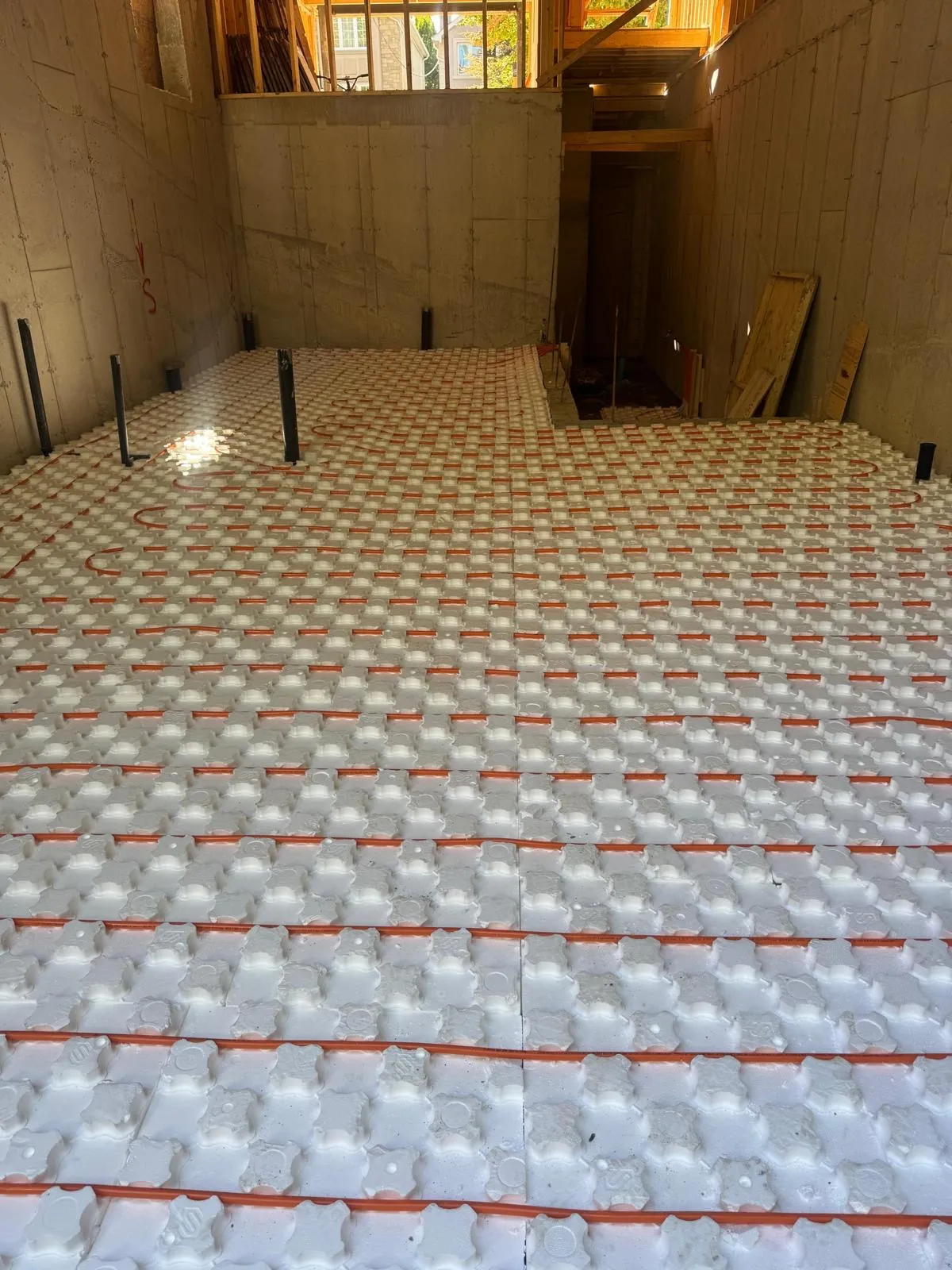
Is Heated Flooring Worth It? Costs, Comfort & Where It Fits
Is heated flooring worth it for GTA and Toronto homes? Compare electric vs hydronic radiant floor heating cost, comfort, best rooms, and when in-floor heating pays off.
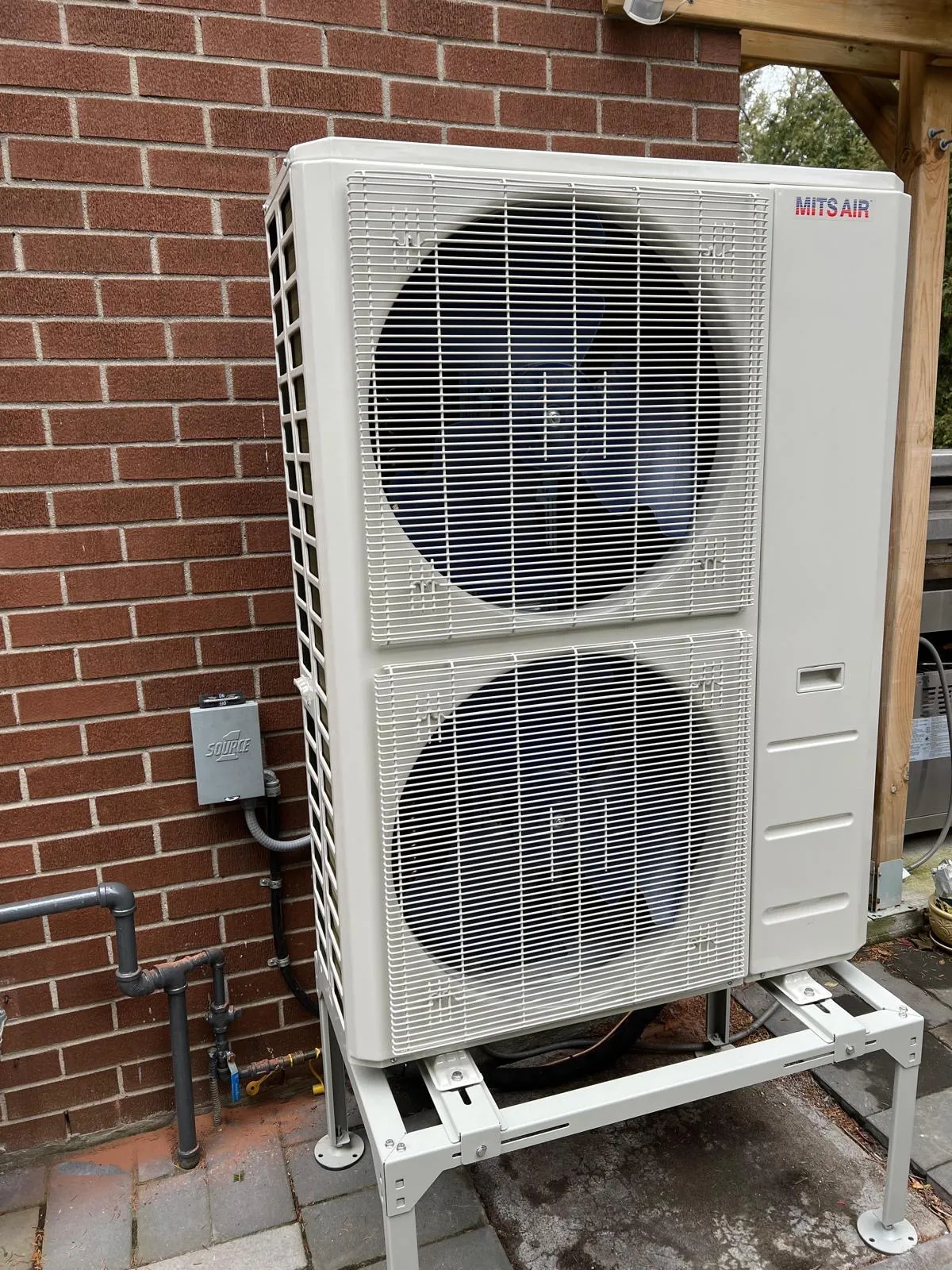
Heat Pump vs Furnace + AC: True 10-Year Cost of Ownership
Heat pump vs furnace + AC 10-year cost of ownership for GTA and Ontario homes: install, operating, maintenance, rebates, and lifetime totals compared in 2026.
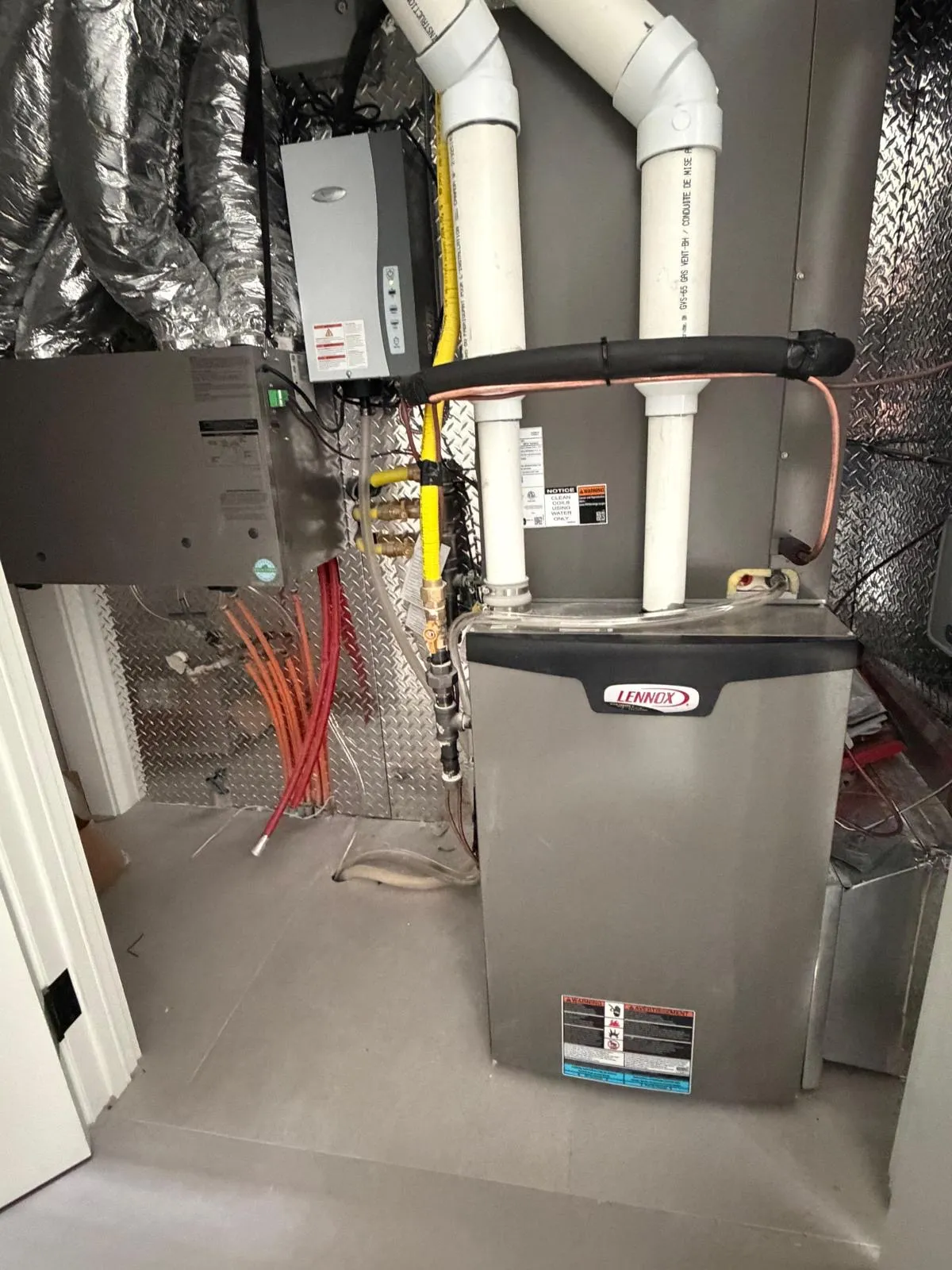
HVAC Maintenance Plans: What's Included in 2026
What an HVAC maintenance plan actually covers in 2026 — priority dispatch, repair discounts, waived diagnostic fees, and tune-ups for GTA homeowners.