

Fall HVAC Maintenance Checklist for Ontario Homes
A complete fall HVAC maintenance checklist for GTA and Ontario homeowners — furnace prep, filters, humidifier, thermostat, ducts, and when to call a pro.

The first cool morning in September always lands the same way in the GTA — you walk down to the kitchen, the floor is a little colder than yesterday, and you reach for the thermostat without thinking about it. That’s the moment your furnace wakes up from a six-month nap. Whether it wakes up smoothly or coughs and quits depends almost entirely on what you do before that first cold snap.
Fall maintenance isn’t glamorous, but it’s the cheapest insurance you’ll buy all year. The checklist below is the same one our technicians run through — adapted so a homeowner can knock out most of it on a Saturday morning.
The short version: Replace the filter, vacuum around the furnace, test the thermostat on heat, turn the humidifier back on, and book a professional tune-up before mid-October. If the furnace struggles to start or you smell anything off, stop and call a licensed technician. A 90-minute fall service almost always costs less than a single emergency call in January.
Why fall maintenance matters in Ontario
Ontario asks a lot of a furnace. From October through April, your heating system runs nearly every day, and on the coldest nights it cycles dozens of times. Anything that’s worn, dirty, or borderline at the end of summer becomes a real failure in January — usually at 11 p.m. on the coldest weekend of the year.
A proper fall reset accomplishes three things: it catches small problems before they strand you, it restores efficiency you’ve lost over the year (a dirty system can burn 10–15 % more gas for the same heat output), and it keeps your manufacturer’s warranty valid. Most furnace warranties require documented annual service.
Carbon monoxide note: Furnaces, water heaters, and fireplaces all produce combustion gases. Test the CO alarm on every floor before the heating season starts, and replace any unit older than 7 years — the sensors expire even if the alarm still chirps.
The homeowner checklist (do this yourself)
You can handle most of these in under two hours. None of them require opening the burner compartment or touching gas connections.
1. Replace the furnace filter
A fresh filter is the single highest-impact thing you can do. A clogged filter chokes airflow, overheats the furnace, and trips the high-limit safety — which looks exactly like a furnace that “won’t turn on.” Match the size printed on the old filter and note the airflow arrow points toward the furnace.
For a deeper dive on filter sizing and MERV ratings, see our furnace filter replacement guide.
2. Vacuum the area around the furnace
Pull anything stored within three feet of the unit — boxes, paint cans, laundry — and vacuum the dust off the cabinet and floor. Combustion air has to come from somewhere; a dusty, cluttered furnace room is a fire and CO risk.
3. Test the thermostat on heat
Set the thermostat to HEAT, then bump the setpoint up 3 °C. You should hear the furnace start within 60 seconds and feel warm air at the registers within a few minutes. If the screen is dim, replace the batteries before the season — a dying thermostat is the most common false alarm we see.
4. Inspect every register and return
Open all supply registers and pull the return grilles off (most pop off with a screwdriver). Vacuum the dust off both sides. Move couches, rugs, and curtains that have crept over a register since spring — blocked airflow is the leading cause of uneven heating between rooms.
5. Turn on the humidifier
Open the bypass damper (usually a slider on the duct), replace the water panel (about $20–$35 at any hardware store), and set the humidistat to 35–40 %. Confirm water is flowing to the drain.
6. Test smoke and CO alarms
Press the test button on every alarm. Replace batteries. Any unit older than 10 years (smoke) or 7 years (CO) should be replaced outright — the sensors degrade.
7. Clear outdoor exhaust and intake vents
If you have a high-efficiency furnace, walk around the outside of the house and find the two white PVC pipes. Both must stay clear of leaves, dryer lint, spider webs, and (in winter) snow. A blocked vent shuts the furnace down.
The fall tune-up schedule at a glance
| Task | Frequency | DIY or pro? |
|---|---|---|
| Replace 1” furnace filter | Every 60–90 days | DIY |
| Replace 4–5” media filter | Every 6–12 months | DIY |
| Replace humidifier water panel | Annually (fall) | DIY |
| Vacuum registers and returns | Annually (fall) | DIY |
| Test CO and smoke alarms | Monthly + every fall | DIY |
| Burner and flame-sensor cleaning | Annually | Pro |
| Combustion analysis (CO ppm) | Annually | Pro |
| Heat exchanger inspection | Annually | Pro |
| Duct cleaning | Every 3–5 years | Pro |
What a professional tune-up covers (and why it’s worth it)
A homeowner can clean and inspect — but a TSSA-licensed technician can measure. That’s the real value. We hook a combustion analyzer to the flue and read carbon monoxide in parts per million, oxygen percentage, and stack temperature. Those three numbers tell us whether the furnace is burning cleanly and safely, and you cannot get that information by looking at the flame.
A proper fall tune-up at Delson Air typically includes:
- Burner and flame-sensor cleaning
- Heat exchanger visual inspection (cracks = immediate red flag)
- Gas pressure verification at the manifold
- Combustion analysis with a printed report
- Blower motor amp draw and capacitor test
- Inducer motor and pressure switch check
- Safety control verification (limit switch, rollout switch, flame rollout)
- Condensate drain flush
- Thermostat operation and cycle test
As of 2026, a residential fall tune-up in the GTA typically runs $140–$220, depending on the home and equipment. Many homeowners bundle it into a maintenance plan that includes priority service in winter — we’ll have details on our 2026 maintenance plans closer to launch. For the deeper August pre-season prep, see our pre-fall furnace preparation guide.
Signs you need a service call now, not later
Some symptoms shouldn’t wait for a scheduled tune-up. Call a technician if you notice any of the following when you first run the furnace:
- A persistent rotten egg or sulfur smell — leave the house and call your gas utility
- Soot or yellow staining around the furnace or vent
- The furnace short-cycles (turns on and off every 1–2 minutes)
- Rumbling, booming, or scraping noises on start-up
- The CO alarm sounds
If the furnace won’t fire up at all, our no-heat troubleshooting guide walks through eight safe checks before you book a visit.
Quick fall timeline for GTA homeowners
| Month | What to do |
|---|---|
| Late August | Replace filter, vacuum unit, test thermostat on heat |
| Early September | Book professional tune-up |
| Mid-September | Turn on humidifier, replace water panel |
| Late September | Test all CO and smoke alarms |
| Early October | Final walk-around — outdoor vents clear, registers open |
When to call Delson Air
Fall is the busiest stretch of our year for a reason — every home in the GTA wakes its furnace up within a six-week window. Book early and you get your pick of dates; book late and you’re competing with no-heat emergencies. Delson Air has been keeping Toronto, Mississauga, Markham, Vaughan, Brampton, Richmond Hill, and Oakville homes comfortable for years, and our technicians are TSSA-licensed and Enbridge Authorized Contractors — the credentials Ontario requires for gas work, and the ones your warranty paperwork will ask about.
If you’d like a documented fall tune-up before the cold hits, call us at (647) 467-9919 or reach out through our contact page. We’ll walk through your equipment, flag anything that needs attention, and leave you with a written report — so when the first cold morning lands, the only thing you’ll think about is what’s for breakfast.
FAQ
Common questions
When should I book a fall furnace tune-up in Ontario?
How often should I change my furnace filter in the fall?
Do I really need to turn on my humidifier in the fall?
What's included in a professional fall furnace tune-up?
Delson Air Team
Licensed, insured, TSSA-certified HVAC technicians serving the Greater Toronto Area.
Keep reading
More from the Journal
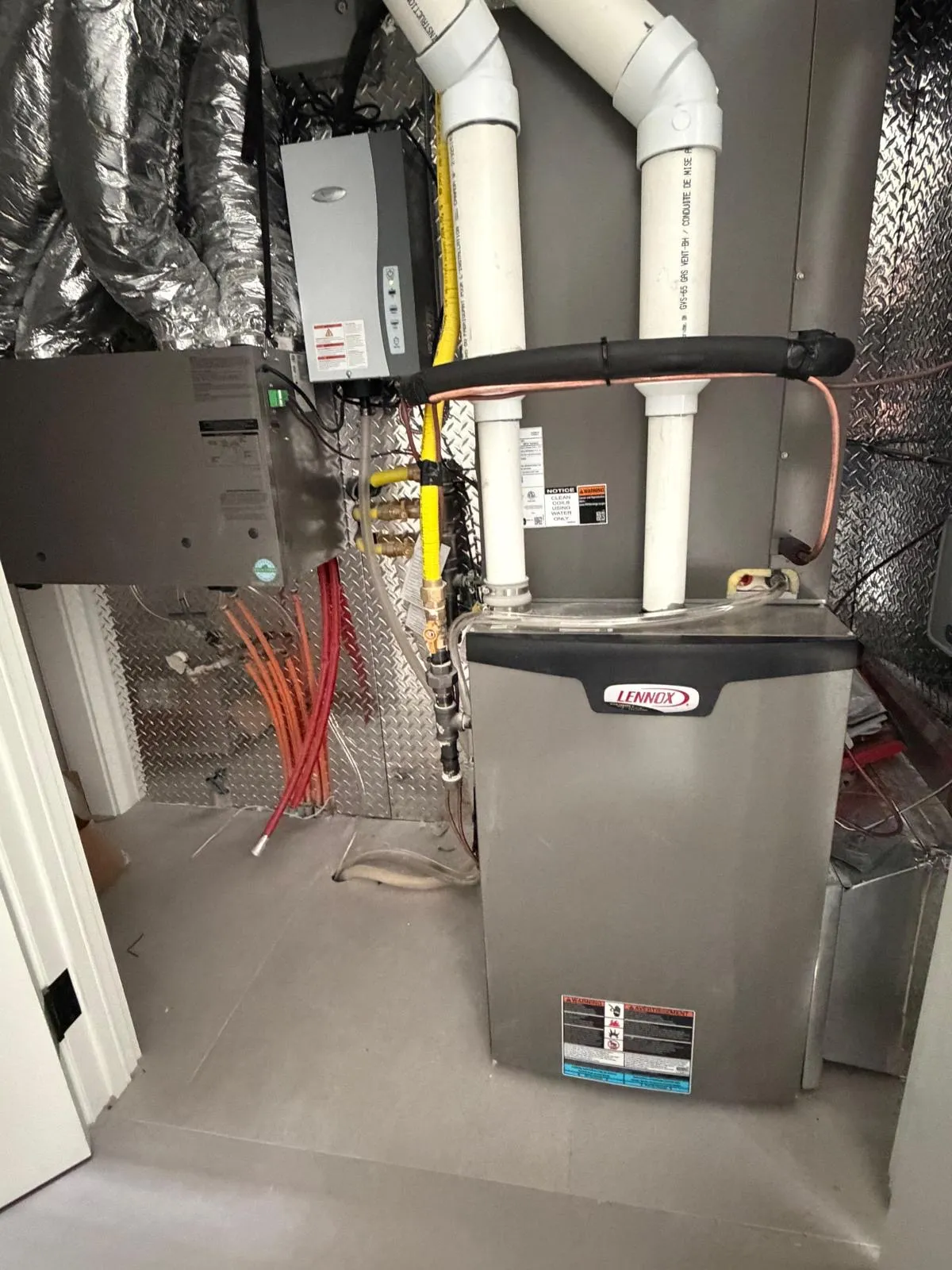
HVAC Maintenance Plans: What's Included in 2026
What an HVAC maintenance plan actually covers in 2026 — priority dispatch, repair discounts, waived diagnostic fees, and tune-ups for GTA homeowners.
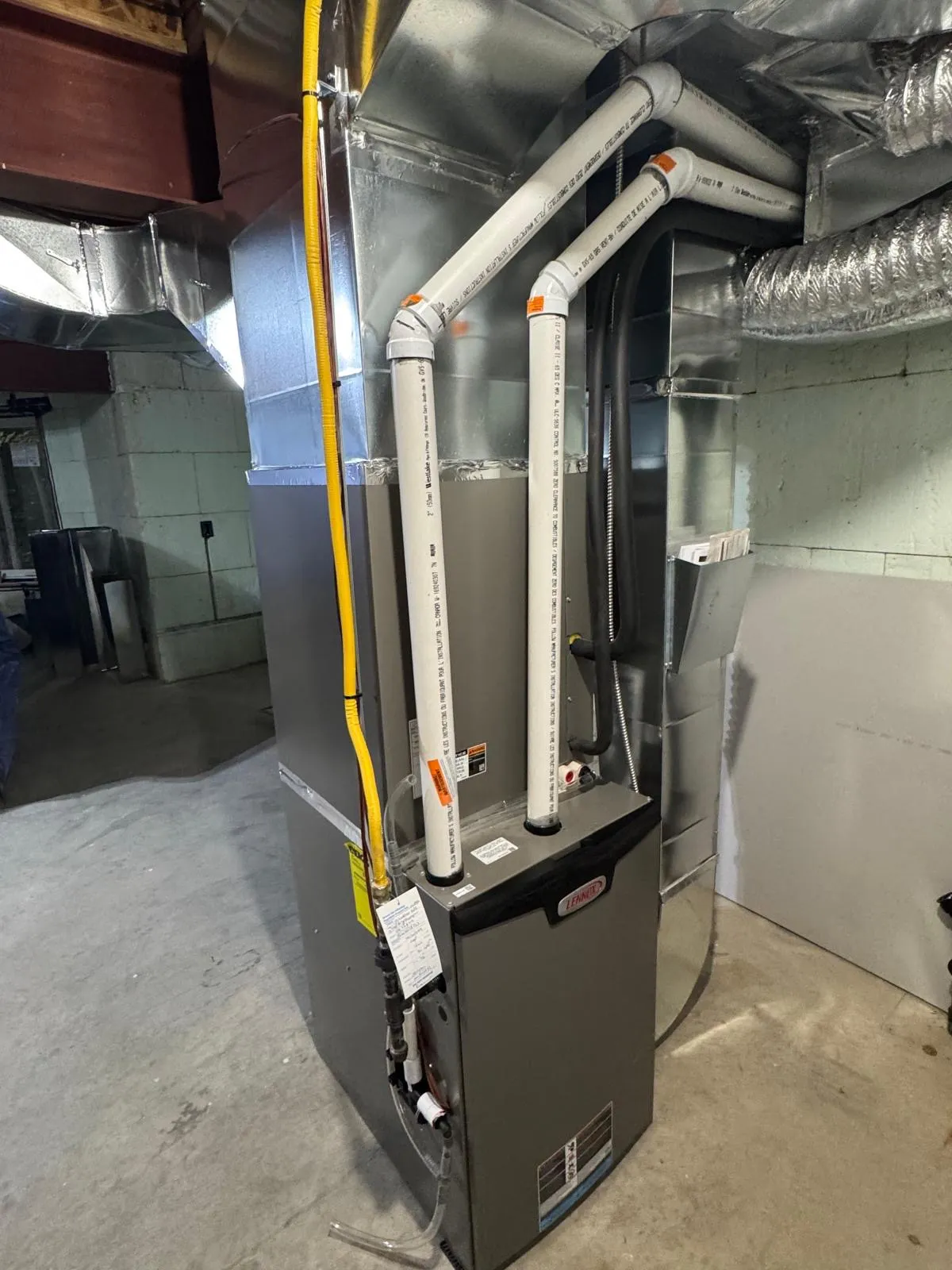
Furnace Tune-Up in Toronto: Why Early Fall Is the Best Time
Why early fall is the smartest window to book a furnace tune-up in Toronto and the GTA — what's included, what it costs, and what to expect.
Pre-Fall Furnace Prep: 5 Things to Do in August
Get your GTA furnace ready before the Toronto cold snap arrives. Five August jobs — filter, vents, thermostat, test run, and tune-up — to avoid a no-heat call.